The essential karuvadu guide
Karuvadu: the complete guide to dry fish.
From choosing your first variety to cooking a meal you love. Get to know the flavours, preparation and coastal traditions behind karuvadu.
Three things to remember
Choose by dish
A crisp fry and a rich gravy call for different textures.
Prepare by variety
Follow the product and recipe guidance for cleaning and soaking.
Season after cooking
Let the fish flavour the dish before deciding on extra salt.
What is Karuvadu?
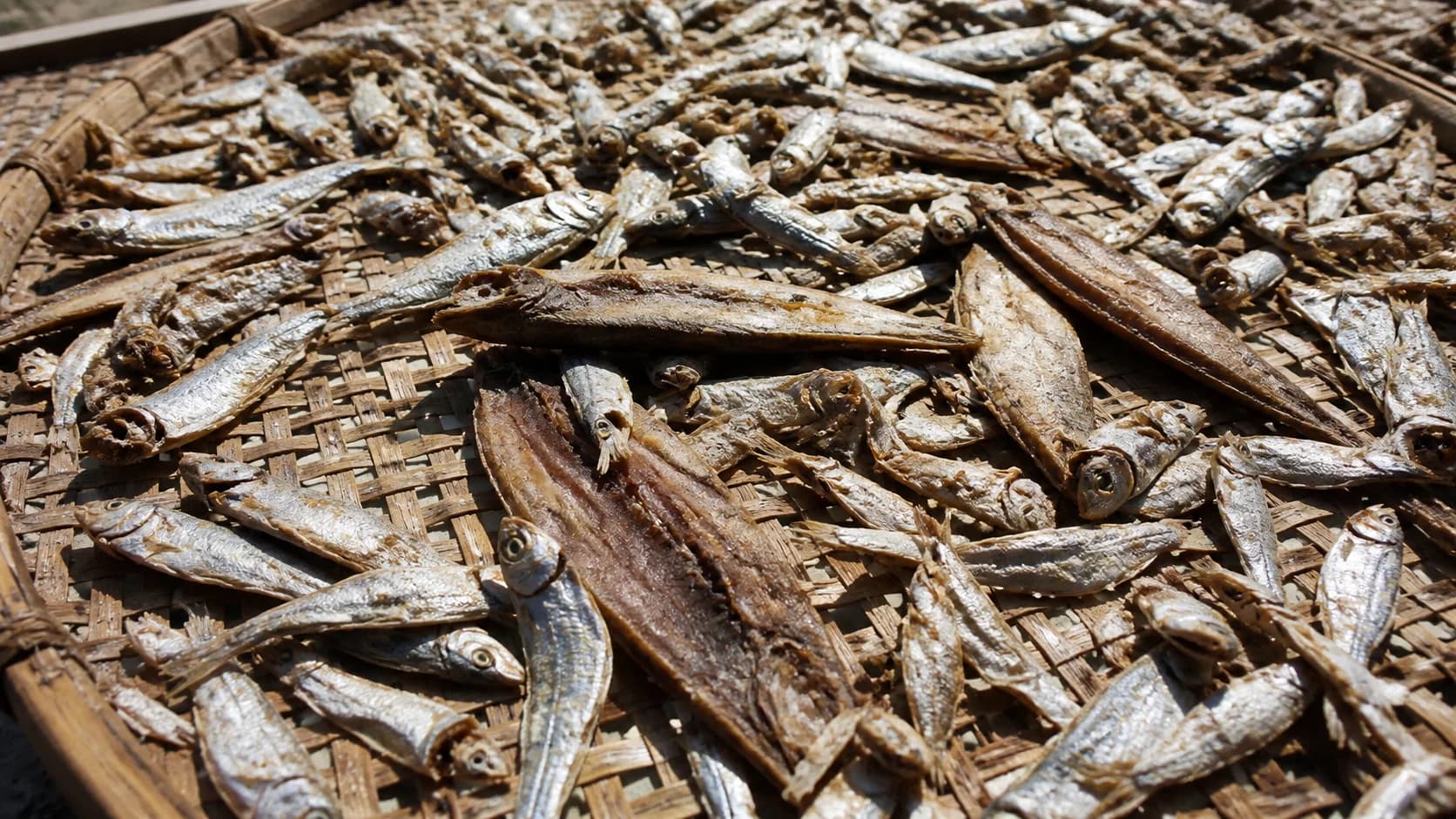
Karuvadu is the Tamil name commonly used for fish and seafood preserved through salting and drying. Removing much of the moisture helps the fish keep longer than a fresh catch and concentrates its savoury seafood flavour. That is why a small amount can season a whole pot of rice, vegetables or tamarind gravy.
The word covers many different ingredients rather than one species. Nethili is not interchangeable with a thick Vanjaram piece, and Kanava has a completely different bite again. Size, flesh, bones, salt level and drying all affect how the fish should be prepared. In Tamil kitchens, karuvadu appears as a crisp fry, a tangy kuzhambu, a thick thokku or a strongly flavoured side served with rice.
How is Karuvadu Made?
Selecting and cleaning the fish
The fish type, thickness and condition of the catch influence the finished texture. Unwanted portions are trimmed and the fish is cleaned before salting. Small fish may be prepared whole or headless, while larger cuts are handled differently.
Salting and drying
Salt draws out moisture and contributes to the characteristic flavour. Drying then reduces moisture further. Sun, air movement, thickness, humidity and handling can all affect how firm or dry the final fish becomes, so varieties should not all be cooked or soaked in exactly the same way.
Sorting, packing and storage
Once dried, the product needs protection from moisture, odours and contamination. Good packaging keeps the fish in the condition intended for cooking. At home, the same principle applies: keep opened portions sealed, dry and away from steam.
Types of Karuvadu
The Karuvadu varieties hub compares the active catalogue by taste, texture and cooking use. The detailed Types of Karuvadu guide adds broader variety context, while the detailed pages below focus on one variety at a time.
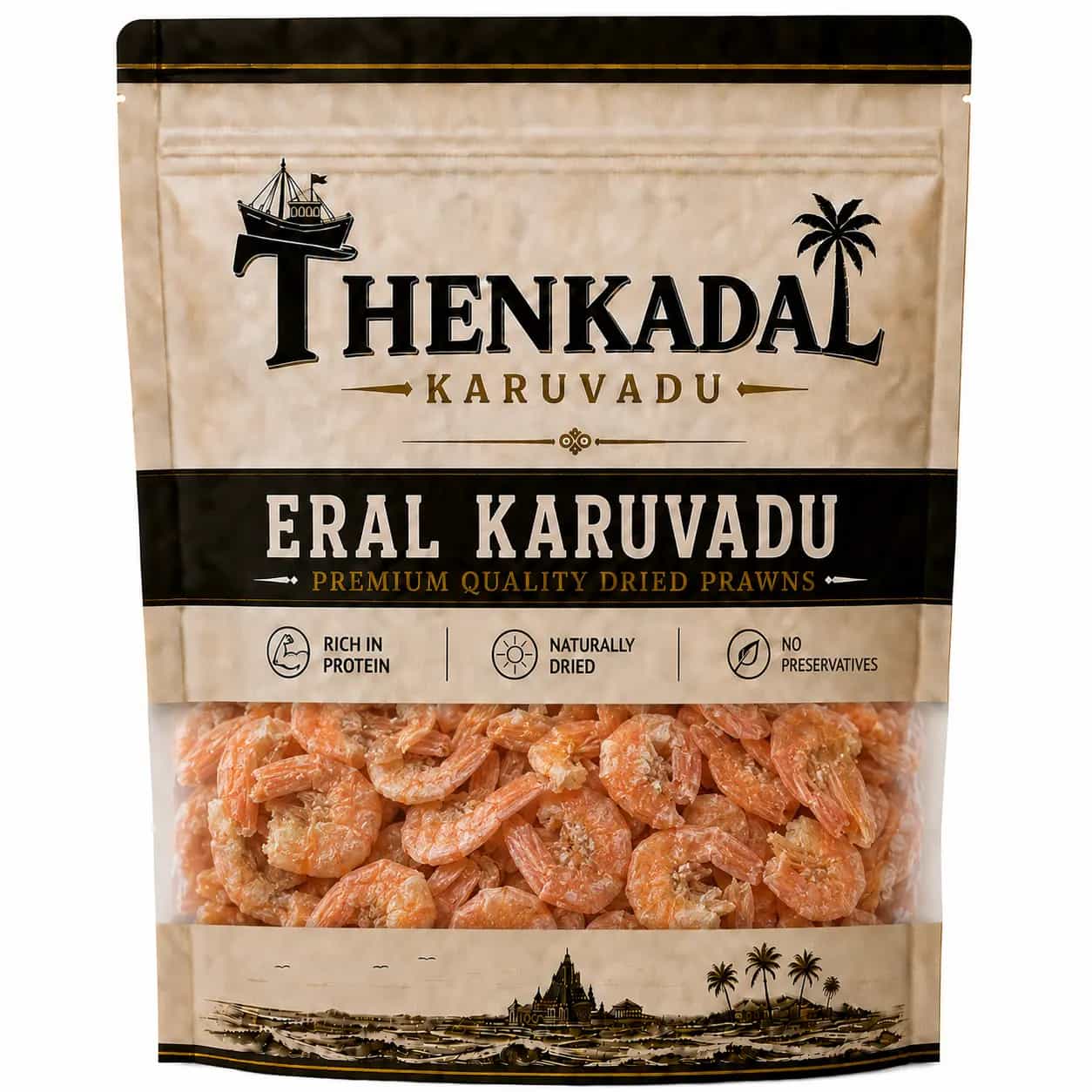
Era Karuvadu – Dried Prawns
a concentrated, umami-rich flavor; crunchy, with an edible shell
Try it in: Thokku, Fry
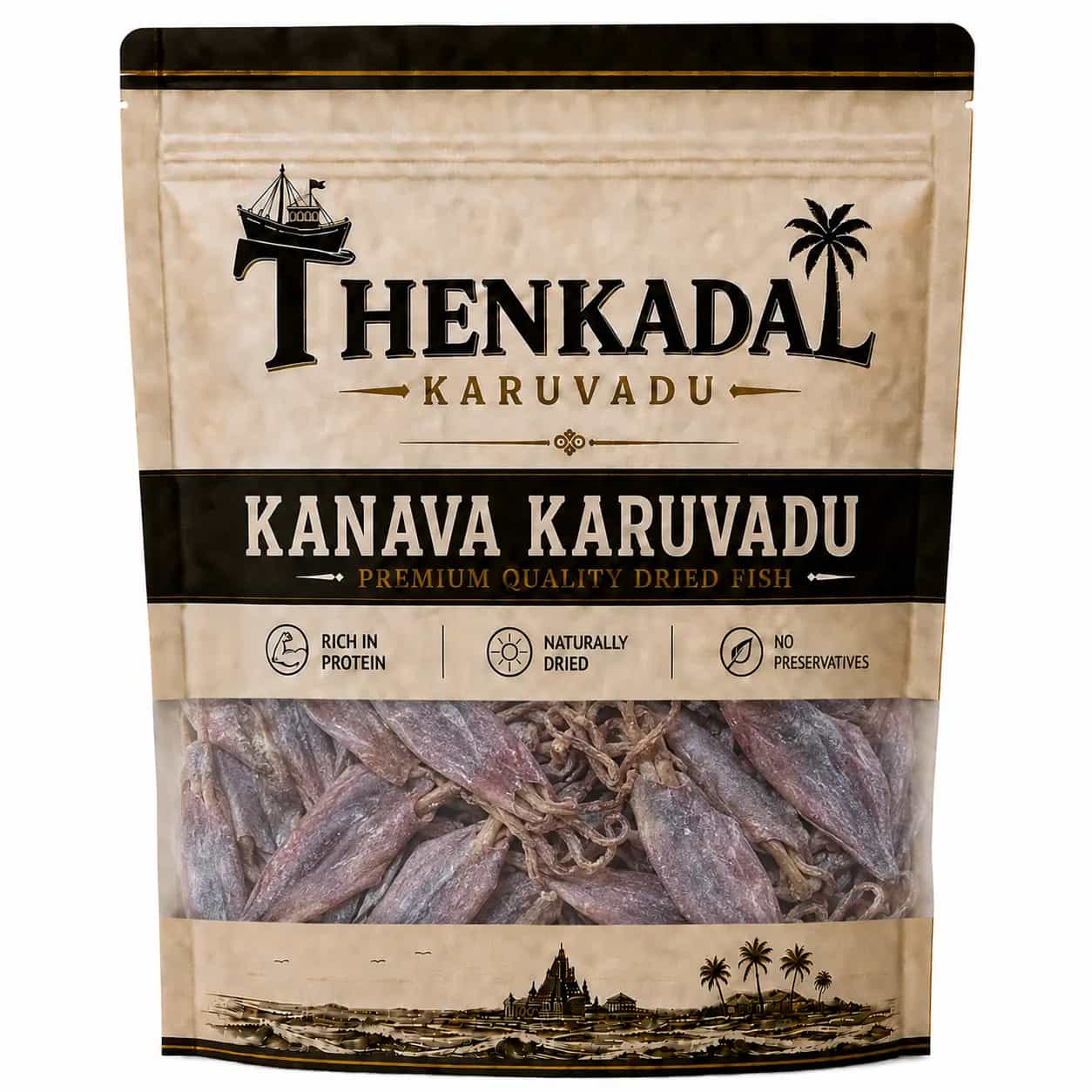
Explore this varietyKanava Karuvadu – Dried Squid
a savory, slightly sweet flavor; chewy and firm
Try it in: Curry, Fry
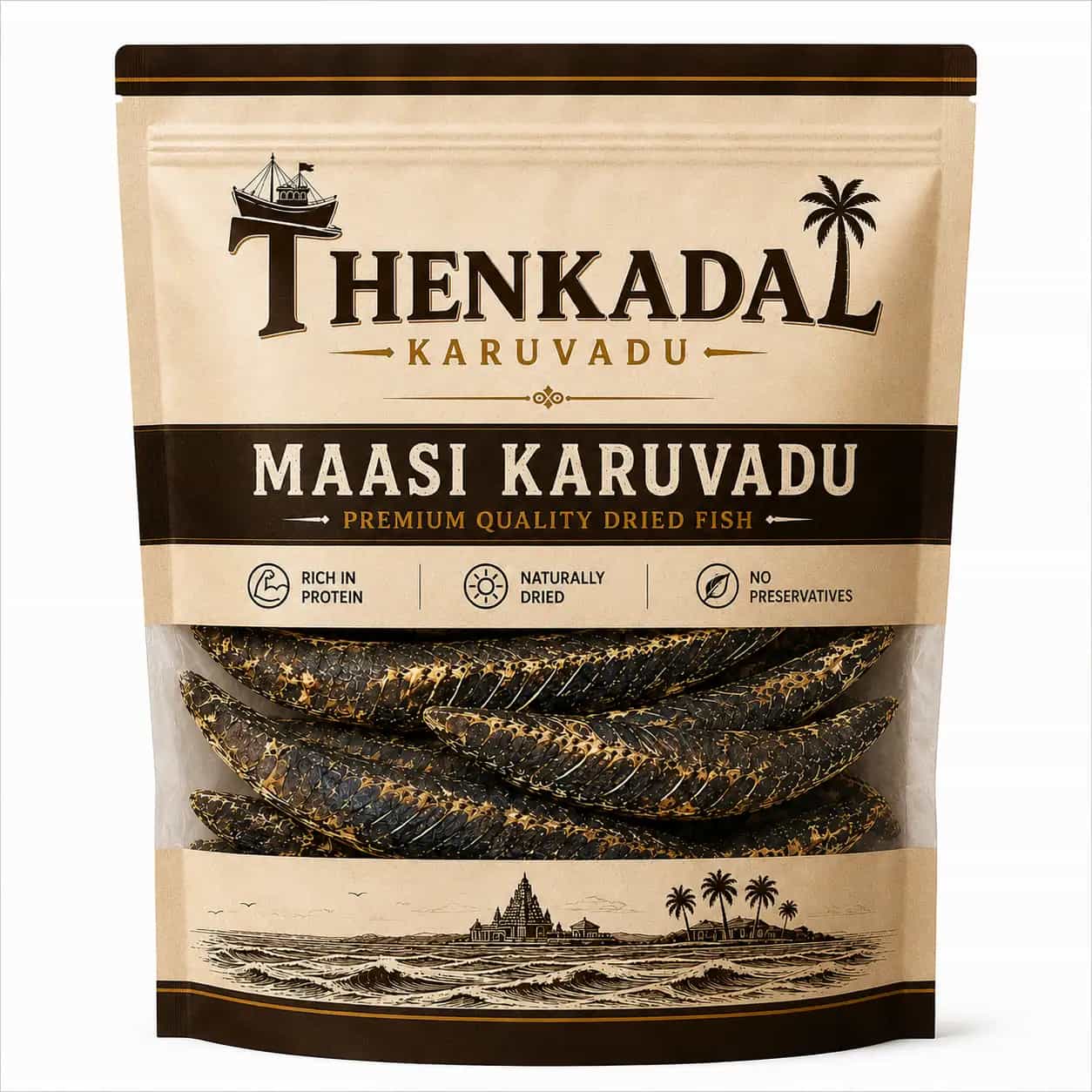
Explore this varietyMaasi Karuvadu – Dried Skipjack Tuna
a smoky, intensely savory flavor; dense and meaty
Try it in: Sambal, Poriyal
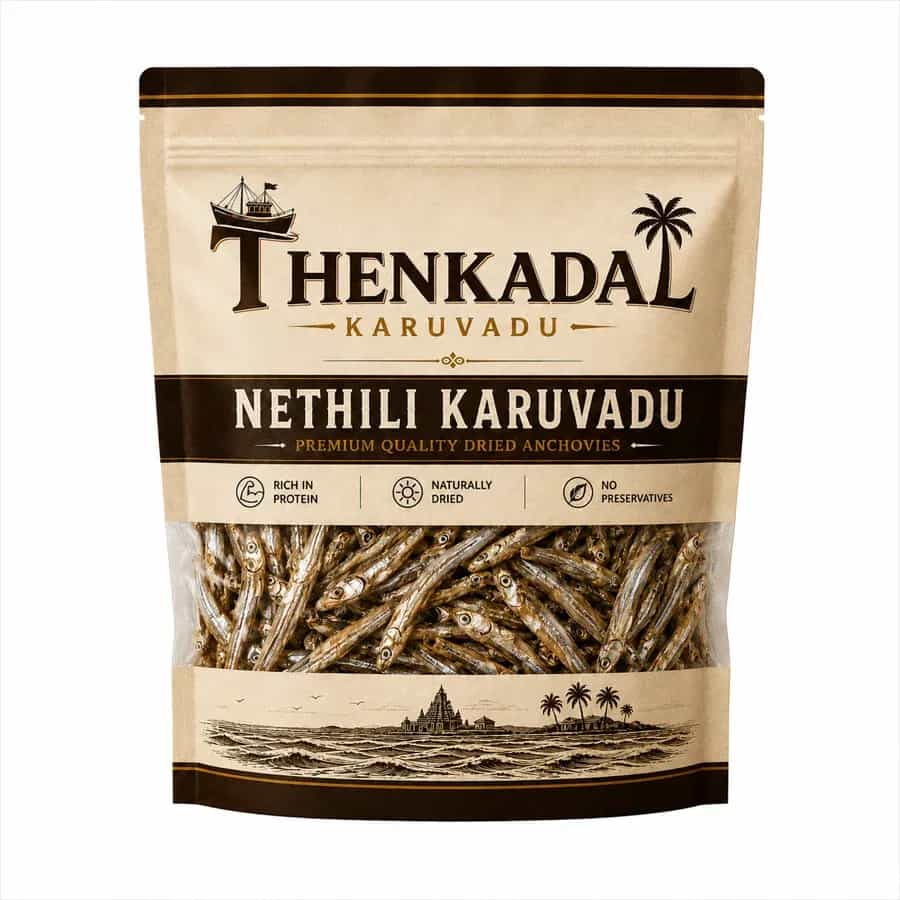
Explore this varietyNethili Karuvadu – Dried Anchovies
a bold, salty-savory coastal flavor; small and crunchy once fried
Try it in: Fry, Kuzhambu, Thokku
Explore this varietyPaarai Karuvadu – Dried Trevally
a rich, full-bodied flavor; firm and slightly oily
Try it in: Kuzhambu, Fry
Explore this varietyPanna Karuvadu – Dried Croaker
a mild flavor that takes on the taste of your kuzhambu or curry; soft flesh that absorbs gravy well
Try it in: Thokku, Kuzhambu
Explore this varietySoodai Karuvadu – Dried Sardines
an intense, bold coastal flavor; soft and flaky once fried
Try it in: Fry, Kuzhambu
Explore this varietyVanjaram / Nei Meen Karuvadu – Dried Seer Fish
a rich, buttery flavor often called the "king of dry fish"; thick, meaty steaks with a buttery texture
Try it in: Thokku, Kuzhambu, Fry
Explore this varietyHow to Choose the Right Karuvadu
Choose by dish first. If you want a quick crisp side, a small fish such as Nethili or Soodai is a sensible starting point. For kuzhambu, choose a variety whose pieces match the texture you want in the gravy; the best Karuvadu for kuzhambu guide compares practical options. For frying, see the best Karuvadu for fry guide.
Beginners often prefer a variety that rinses and cooks quickly. People who want a firm, meaty bite may prefer larger cuts. If you want an intense flavour in a small side, Era or Maasi may be more appropriate. These are starting points rather than fixed rankings; your preferred salt level, bones and texture matter.
How to Cook Karuvadu
Karuvadu fry
Rinse, drain thoroughly, coat with spices if desired and fry without overcrowding the pan. Small fish can become crisp quickly. See the Nethili Karuvadu fry recipe.
Karuvadu kuzhambu
Build a tamarind, onion and spice gravy, then simmer the cleaned fish gently so it seasons the sauce without breaking apart. Start with less salt than usual and taste after the fish cooks. Browse all Karuvadu recipes.
Thokku and curry
Thokku is cooked down until thick and concentrated; curry leaves, onion, tomato and sesame oil are common partners. Dried squid and prawns need their own texture-aware preparation. Use the recipe pages for the exact method rather than treating every variety identically.
How to Clean Karuvadu
- Inspect the fish and remove damaged or unwanted pieces.
- Trim heads, fins, scales or larger bones where the variety requires it.
- Rinse under clean water to remove surface salt and loose particles.
- Soak only if the piece is thick, tough or particularly salty.
- Drain thoroughly; wet fish will not fry or brown properly.
- Prepare it according to the recipe and taste before adding salt.
How to Remove Excess Salt from Karuvadu
Salt levels can vary by variety, thickness and batch. Rinse first, then use a short soak when needed. Small fish may lose flavour if left in water too long, while thicker pieces may need more preparation. Drain well and cook a small piece before adjusting the recipe. The salt-removal guide explains the process without pretending there is one universal soaking time.
How to Store Karuvadu
Keep unopened packs in a cool, dry place away from sunlight and steam. Once opened, transfer the remainder to a clean airtight container or sealed food-safe pack. Refrigerate or freeze portions you will not use soon, and use dry hands or a dry spoon when handling them. A sour smell, mould or sticky texture is a reason not to use the fish. Read the detailed Karuvadu storage guide.
Karuvadu vs Fresh Fish
| Feature | Karuvadu | Fresh fish |
|---|---|---|
| Moisture | Low after salting and drying | High and naturally perishable |
| Flavour | Concentrated and savoury | Usually milder |
| Cooking | Fry, kuzhambu, thokku and sides | Wider fresh-fish preparations |
| Storage | Protect from moisture; refrigerate after opening | Needs prompt chilling and cooking |
Popular Karuvadu Recipes
Find a dish you love, then follow its measurements, timings and variety-specific preparation.
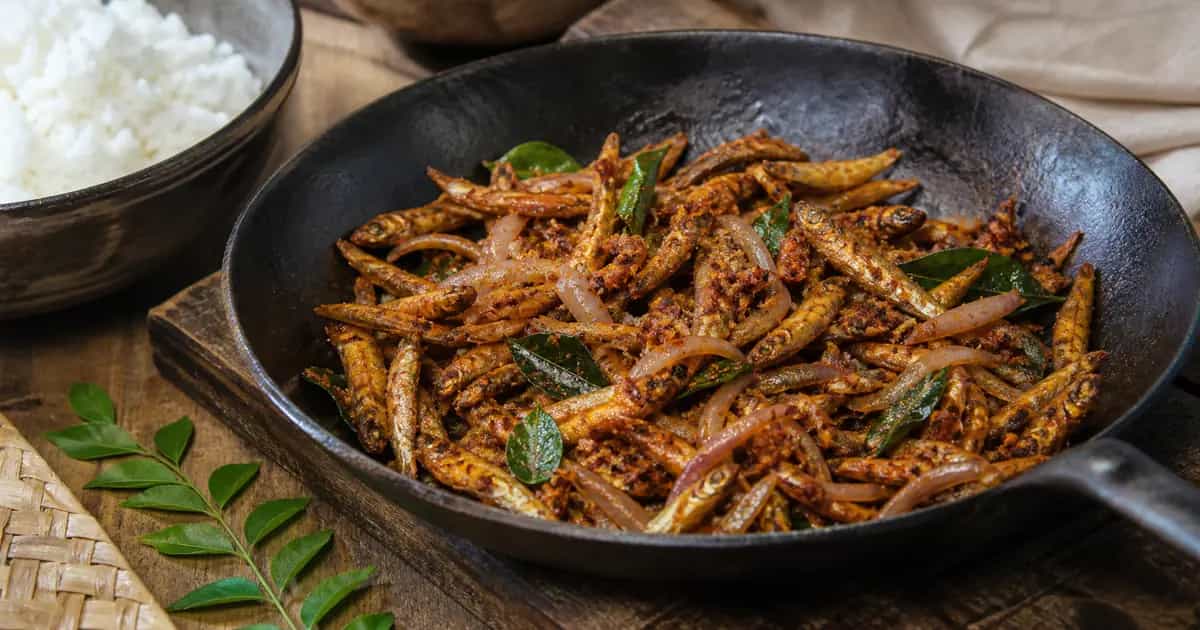
Nethili Karuvadu Fry (Varuval)
A quick, crispy fry — the simplest and fastest way to cook nethili karuvadu.
View Recipe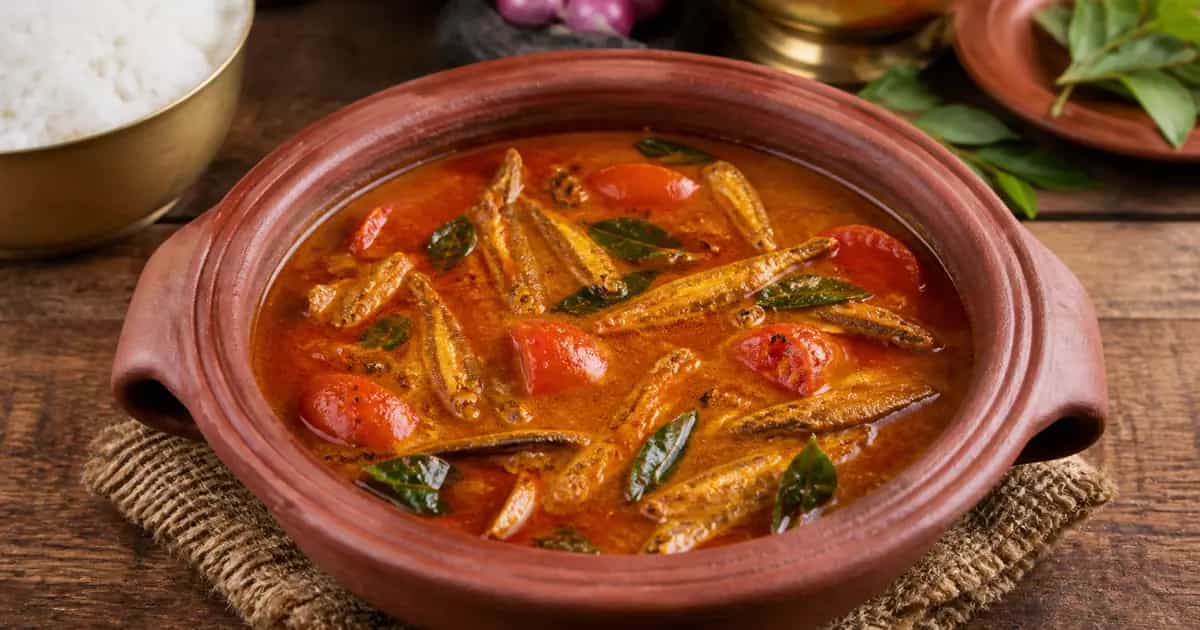
Nethili Karuvadu Kuzhambu
A tangy, tamarind-based gravy that softens the fish and works beautifully over hot rice.
View Recipe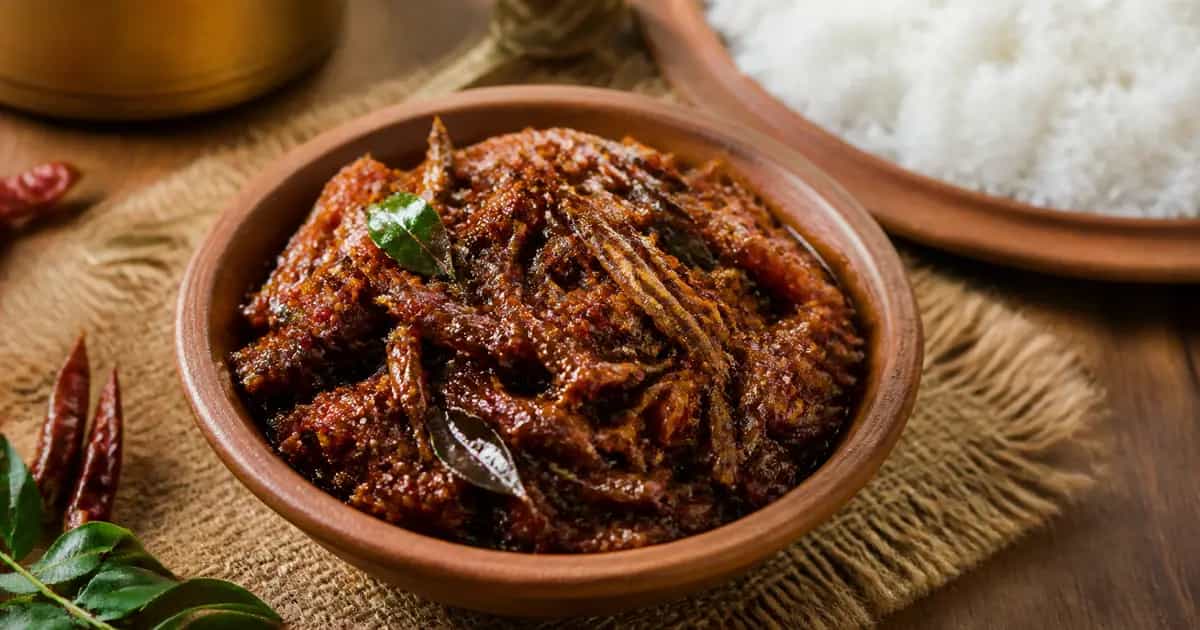
Nethili Karuvadu Thokku
Nethili cooked down into a thick, spiced side that keeps well and gets better with a day's rest.
View Recipe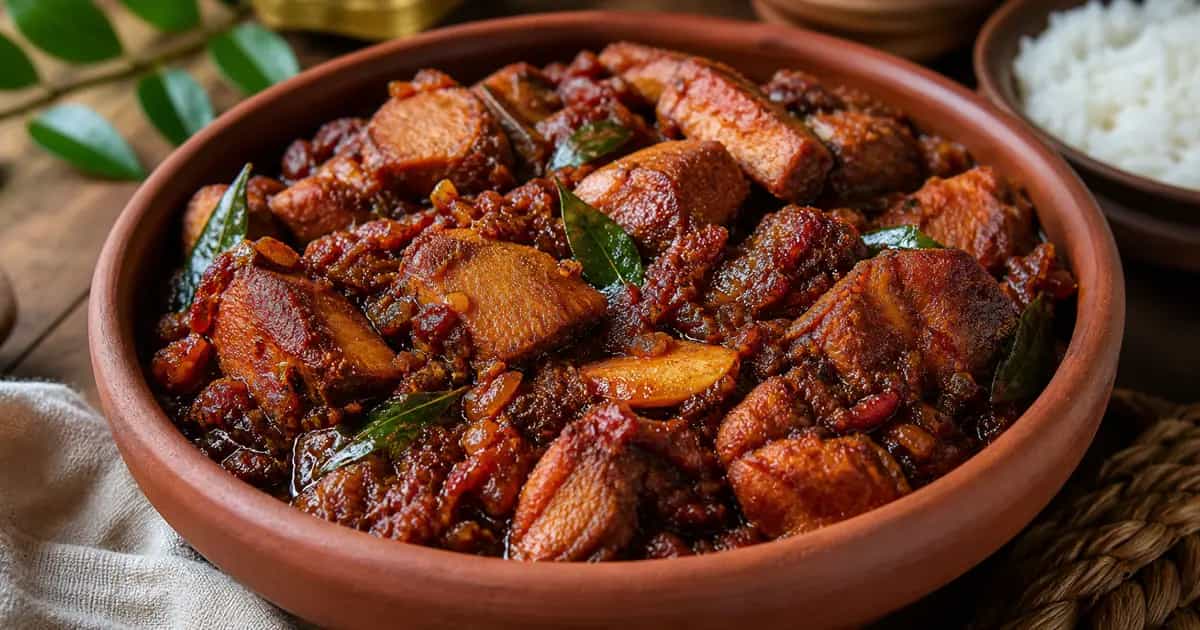
Vanjaram Karuvadu Thokku
Our richest variety, slow-cooked into a bold, tamarind-forward thokku.
View Recipe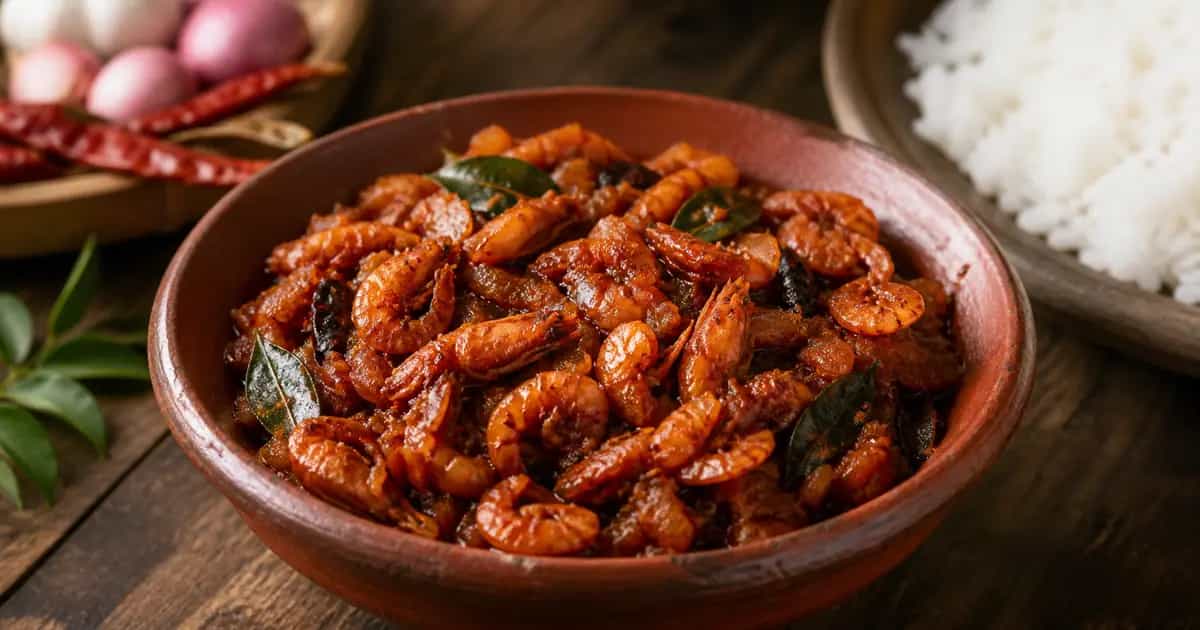
Era Karuvadu Thokku (Dried Prawn Thokku)
Dried prawns cooked down into a punchy, savory side dish.
View Recipe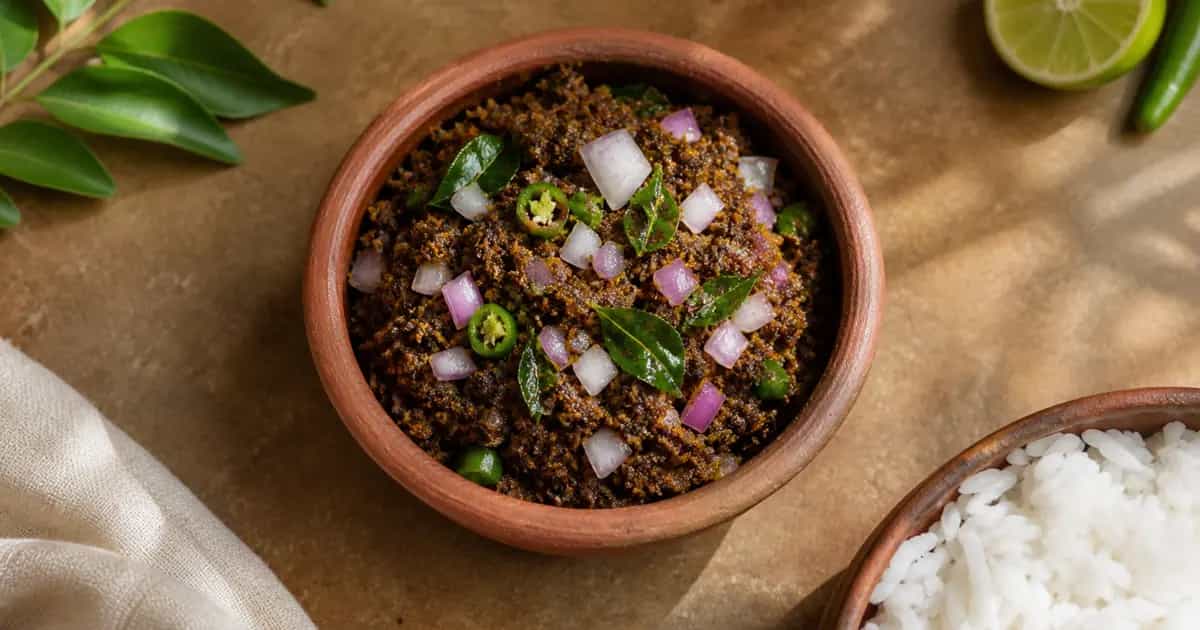
Maasi Sambal
A distinctive condiment made from sun-dried skipjack tuna.
View RecipeHow to Buy Karuvadu Online
Check the variety, pack weight, current price, availability, product information, storage instructions and delivery details before ordering. A transparent product page should help you understand the fish and how to use it; avoid choosing only by a discount or a photograph.
Browse Thenkadal Karuvadu products for individual varieties, or explore curated combo packs when you want to try more than one type.
Ready to put the guide into practice?
Start with a variety that fits your favourite dish.
Rameshwaram Karuvadu
Rameshwaram and the surrounding coastal Tamil Nadu food culture are part of the context in which karuvadu is commonly understood and cooked. Read the dedicated Rameshwaram Karuvadu guide for the location-focused explanation, then compare the varieties and products linked throughout this guide.
Frequently Asked Questions About Karuvadu
What is karuvadu?
Karuvadu is fish or seafood preserved by salting and drying. It is used in Tamil cooking for its concentrated savoury flavour and distinct texture.
What is karuvadu called in English?
Karuvadu is generally called dried fish or salted dried fish in English. The exact English name depends on the fish, such as dried anchovy, dried sardine or dried squid.
What are the different types of karuvadu?
Nethili, Soodai, Maasi, Panna, Paarai, Vanjaram, Kanava and Era are among the varieties represented in Thenkadal's catalogue. See the varieties hub for the current range.
Which karuvadu is best for kuzhambu?
Panna, Paarai, Kola and Nethili are useful starting points, depending on whether you prefer firm pieces or a stronger small-fish flavour. Our kuzhambu guide compares them in more detail.
Which karuvadu is best for frying?
Nethili and Soodai are convenient choices for a crisp fry. Era and firmer fish can also work when you prefer a different bite.
Which karuvadu is best for beginners?
Nethili is a practical first choice because it cooks quickly and works in fry, kuzhambu and thokku. Rinse it well and add salt only after tasting.
Do I need to soak karuvadu?
Not always. Small fish often need only a thorough rinse, while thicker or tougher pieces may benefit from a short soak. The species, thickness and salt level should guide you.
How should karuvadu be stored?
Keep unopened packs cool and dry. After opening, transfer the remaining fish to airtight packaging and refrigerate or freeze portions you will not use soon.
How do I choose karuvadu online?
Check the variety, pack weight, product information, price, availability, storage guidance and cooking suggestions. A clear product page should make the purchase understandable before checkout.
Where can I buy karuvadu online?
You can browse the active Thenkadal catalogue at /products and explore curated combinations at /combos.