Karuvadu Benefits: What Dry Fish Really Offers
What karuvadu really offers: concentrated protein, calcium from small fish eaten whole, and why the salt matters. An honest look at dry fish benefits.
2 min read
What's Actually True, Nutritionally
Drying fish removes water content, which concentrates protein per gram compared to the fresh fish it came from. The nutritional picture of Karuvadu and other dried fish varies by species: small whole fish eaten with soft bones can contribute calcium, while oily varieties may carry more omega-3.
We've written a full, honestly-hedged breakdown of protein, calcium, omega-3, minerals, sodium, and shelf life in our nutrition guide, rather than repeating broad claims here.
A Traditional Postpartum Food — Heritage, Not a Medical Claim
In many Tamil Nadu households, dry fish has long been part of pathiya samayal, the traditional postpartum diet given to new mothers alongside foods like fenugreek leaves and drumstick. Karuvadu's protein, calcium, and iron content is seen as supportive of postpartum recovery in this tradition.
We want to be upfront about this: there's no clinical evidence that dry fish increases breast milk supply, and it isn't classified as a galactagogue in medical literature. What it does offer is genuine, well-documented nutrition — protein, calcium, and B12 — that can be a sensible part of a new mother's diet alongside guidance from a doctor or nutritionist. As always, keep portions moderate given the salt content, and mercury-accumulating varieties like Sura (shark) are best avoided during pregnancy and breastfeeding.
Why the Drying Method Matters
Not all dry fish is equal. Fish that's been chemically whitened or preserved with artificial additives loses some of the nutritional and flavour benefits that come from natural sun-drying — and introduces substances your body doesn't need.
Our karuvadu is dried the traditional way: minimal sea salt, open sun, no chemical whiteners. That means what you're getting is closer to what coastal families have eaten for generations.
Enjoying Karuvadu as Part of a Balanced Diet
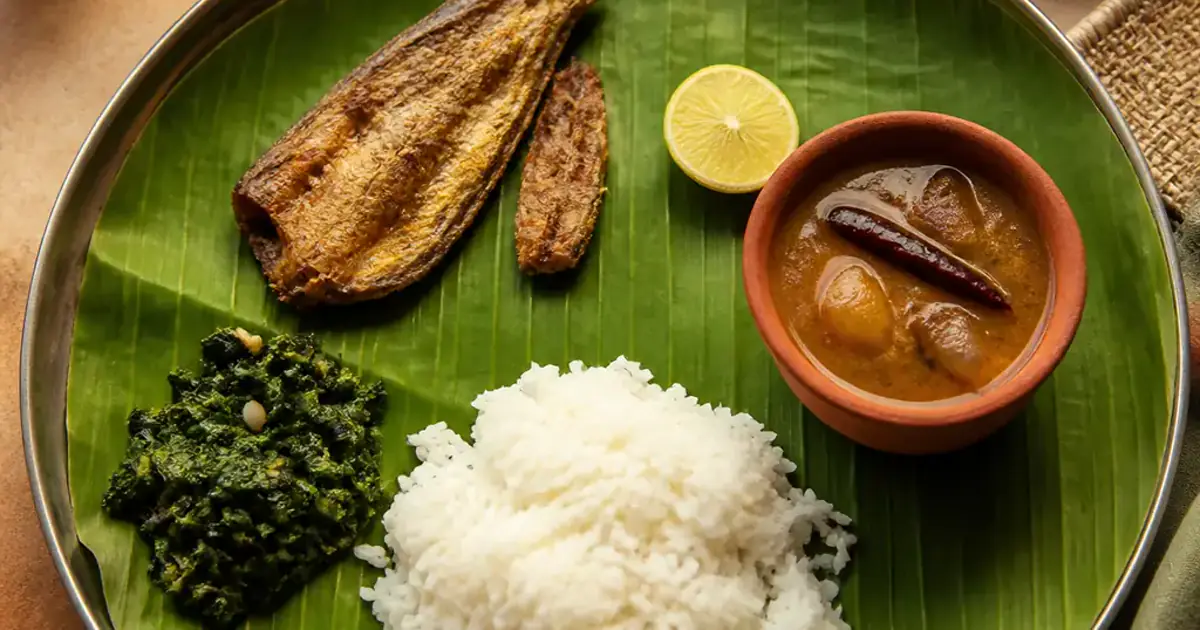
Because karuvadu is salted for preservation, it's best enjoyed in moderate portions alongside vegetables and rice, rather than as a daily staple in large quantities. Pair it with a tamarind-based kuzhambu or a light stir-fry to balance the salt with other flavours.