Karuvadu & Dry Fish Recipes
Karuvadu isn't one dish — it's a whole cooking tradition. Depending on the fish, it might be pan-fried until crisp, simmered into a tangy kuzhambu, or slow-cooked into a thick thokku. This is a growing collection of real ways to cook each variety we sell.
How to Cook Karuvadu at Home
Karuvadu is salt-cured and sun-dried fish, so a little preparation makes a big difference. Start by rinsing it briefly in warm water to remove surface salt and any grit, then drain well. Small varieties such as nethili usually need no soaking; larger or firmer pieces can benefit from a short soak until they soften slightly. Taste only after cooking before adding more salt—the fish already carries plenty of seasoning.
Choose the method to match the meal you want. A karuvadu fry is fast, crisp, and ideal beside rasam rice or curd rice. Kuzhambu is a tamarind-based gravy that lets the fish soften while it absorbs onion, tomato, and spice. Thokku is cooked slowly until thick and concentrated, making a flavorful side that keeps well in the refrigerator. These recipes include timings and practical notes for each style.
Sesame oil, curry leaves, tamarind, chilli, turmeric, and coriander are classic partners for dry fish. Keep the heat moderate once the fish goes into a gravy: a gentle simmer protects delicate pieces and gives the masala time to develop. For a fry, use a wide pan and avoid crowding it, which helps the fish brown instead of steaming.
If you are cooking karuvadu for the first time, begin with nethili fry. It is quick, forgiving, and needs very little prep. Once you are comfortable with its salt level and texture, try a kuzhambu for a family meal or make thokku when you want a make-ahead accompaniment for rice. Every recipe here identifies the variety, yield, cooking time, and serving suggestion so you can choose with confidence.
Karuvadu Fry (Varuval)
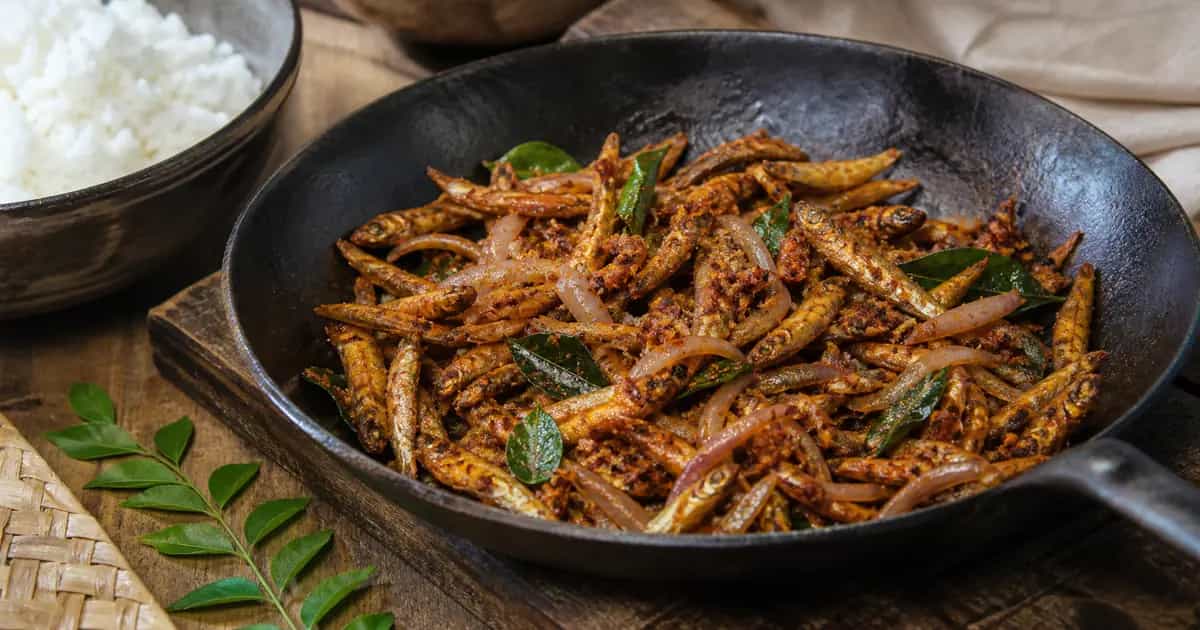
Nethili Karuvadu Fry (Varuval)
A quick, crispy fry — the simplest and fastest way to cook nethili karuvadu.
View Recipe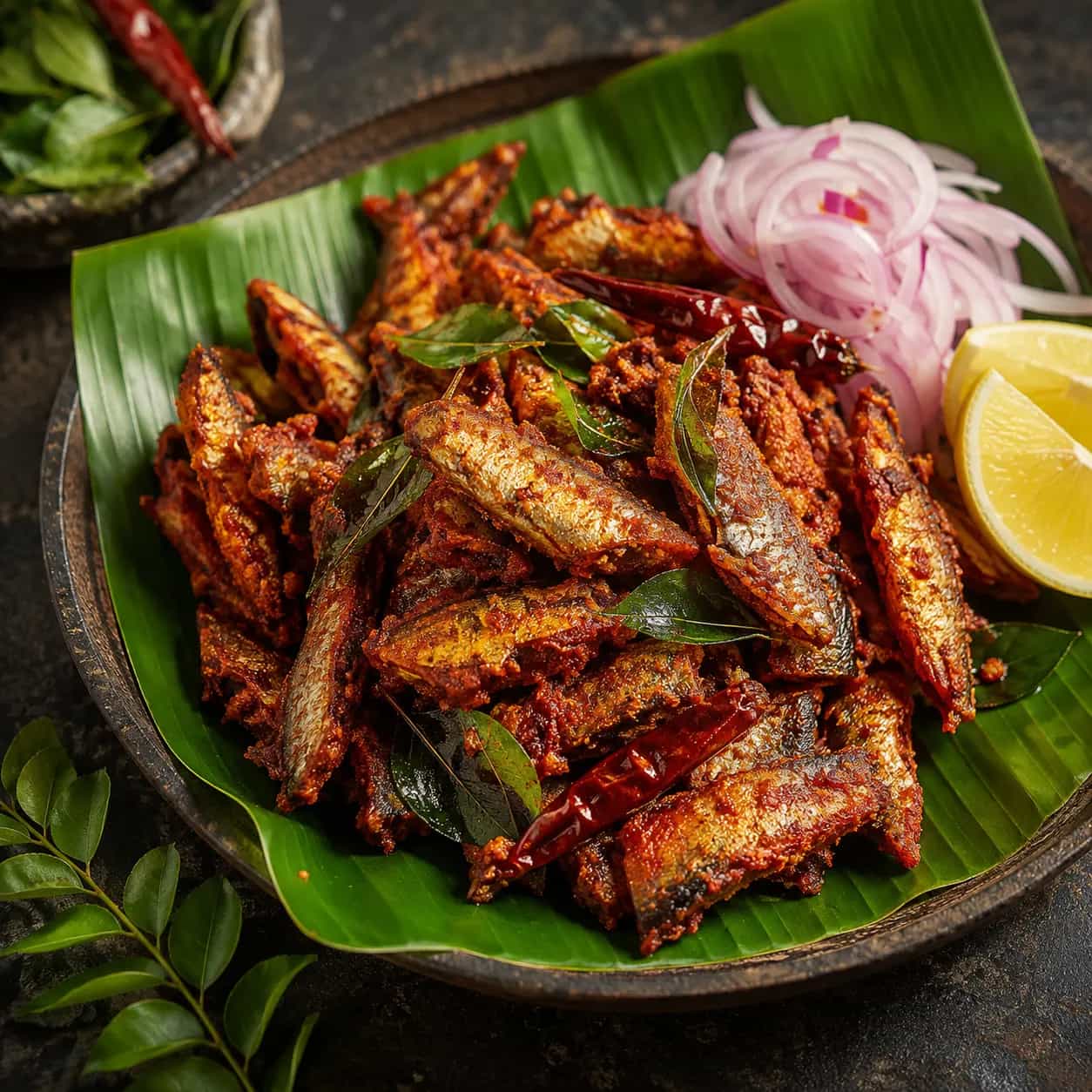
Soodai Karuvadu Fry (Varuval)
Dried sardines pan-fried crisp — a bold, intensely coastal-flavored side.
View Recipe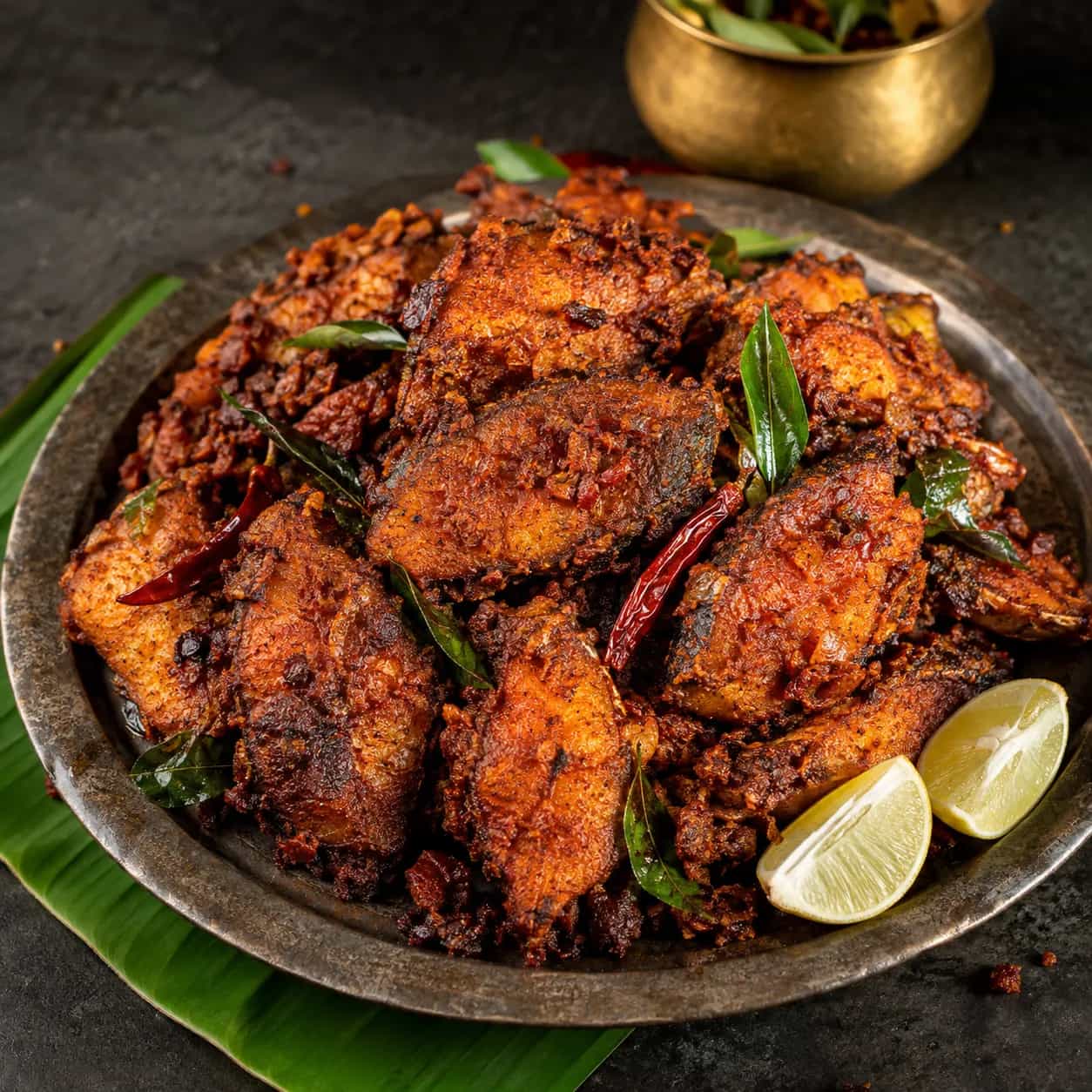
Paarai Karuvadu Fry (Varuval)
Firm, slightly oily Paarai pan-fried into a rich, substantial side.
View Recipe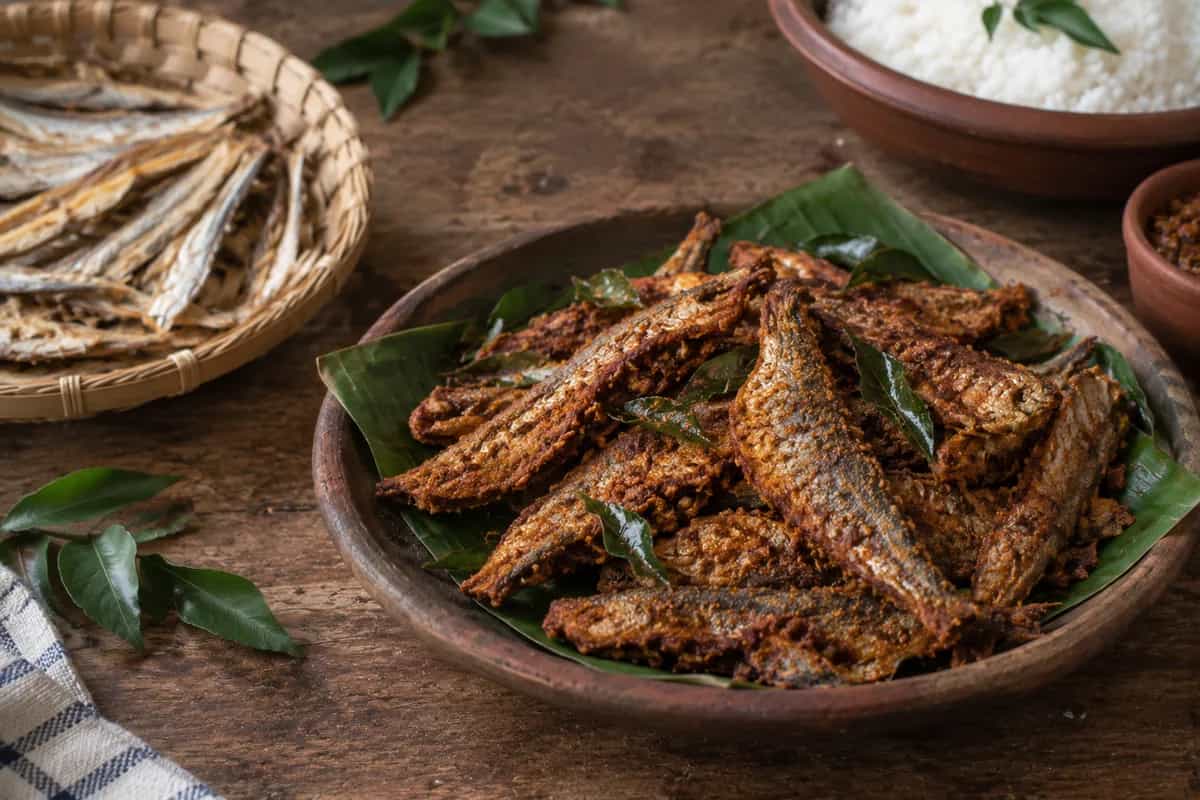
Nagarai Karuvadu Fry
Whole dried red mullet, scored and coated in chilli and turmeric, then shallow-fried with curry leaves.
View Recipe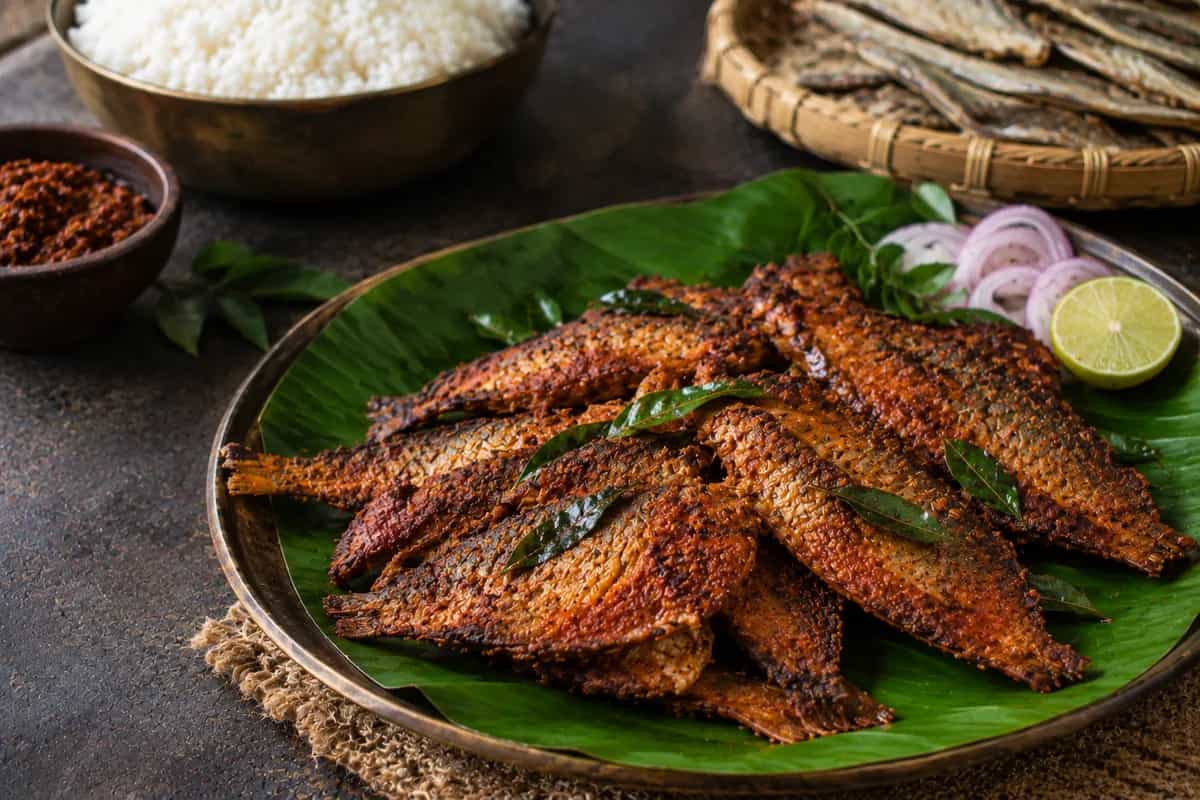
Sankara Karuvadu Fry (Onion Varuval)
Dried red snapper pieces cooked under a layer of onion and curry leaves, so they stay soft instead of turning brittle.
View Recipe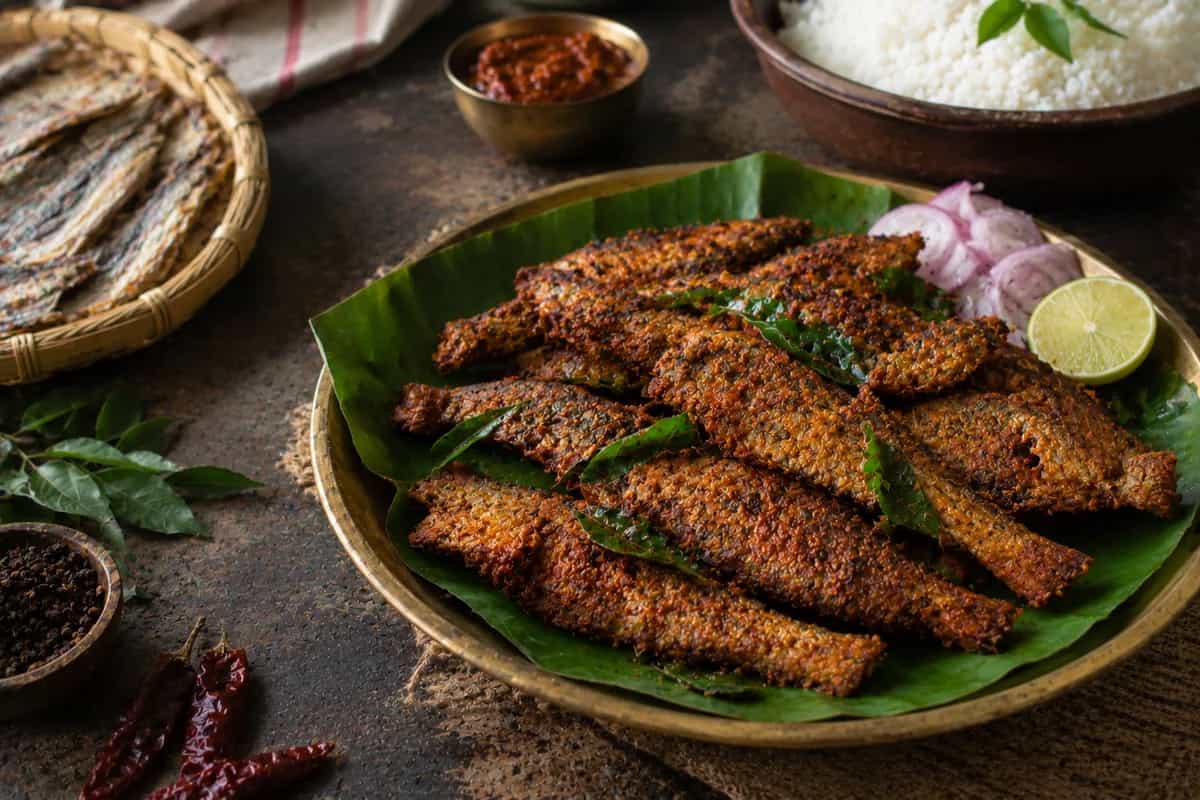
Seela Karuvadu Fry
Firm dried barracuda steaks marinated in chilli, coriander and lemon, then shallow-fried until golden.
View RecipeKaruvadu Kuzhambu
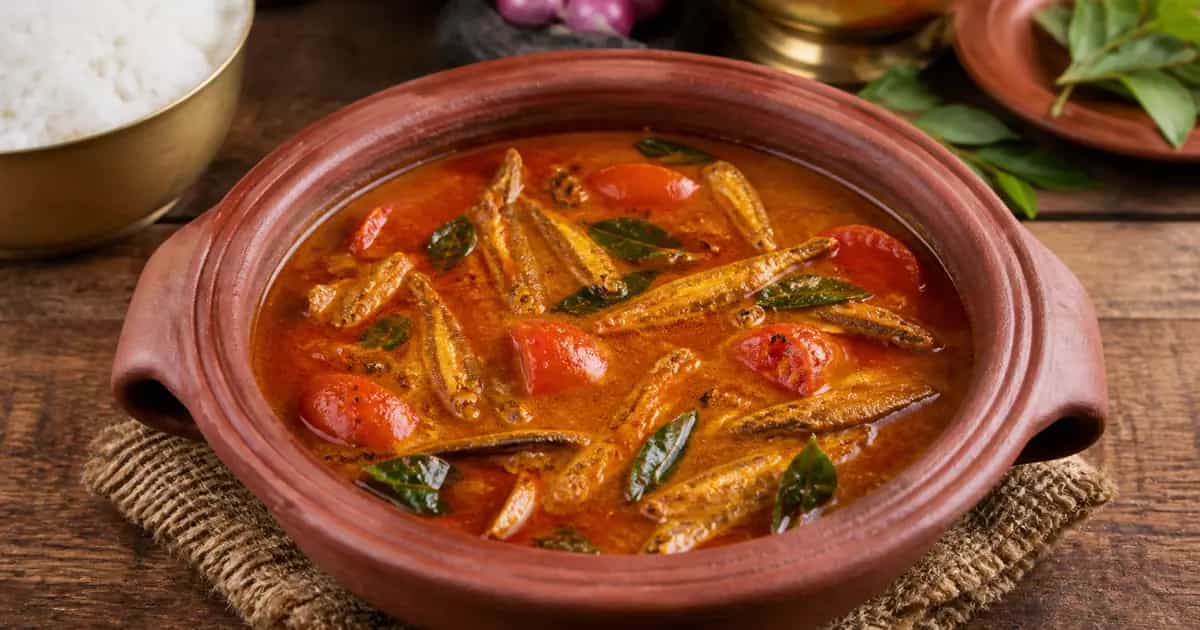
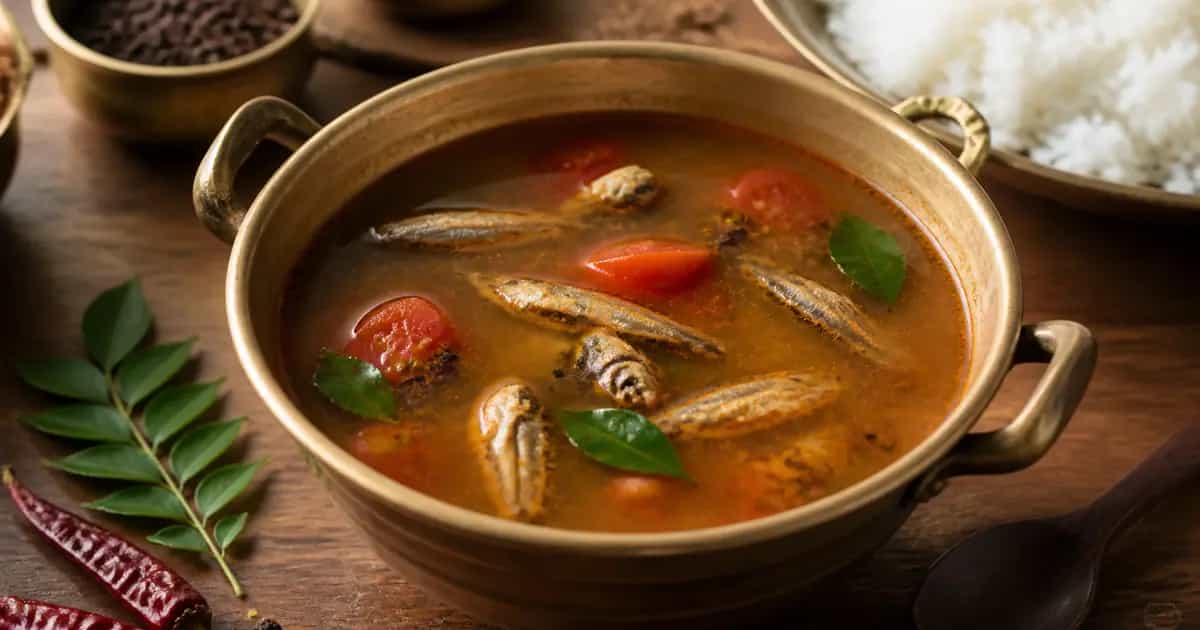
Nethili Karuvadu Kuzhambu
A tangy, tamarind-based gravy that softens the fish and works beautifully over hot rice.
View Recipe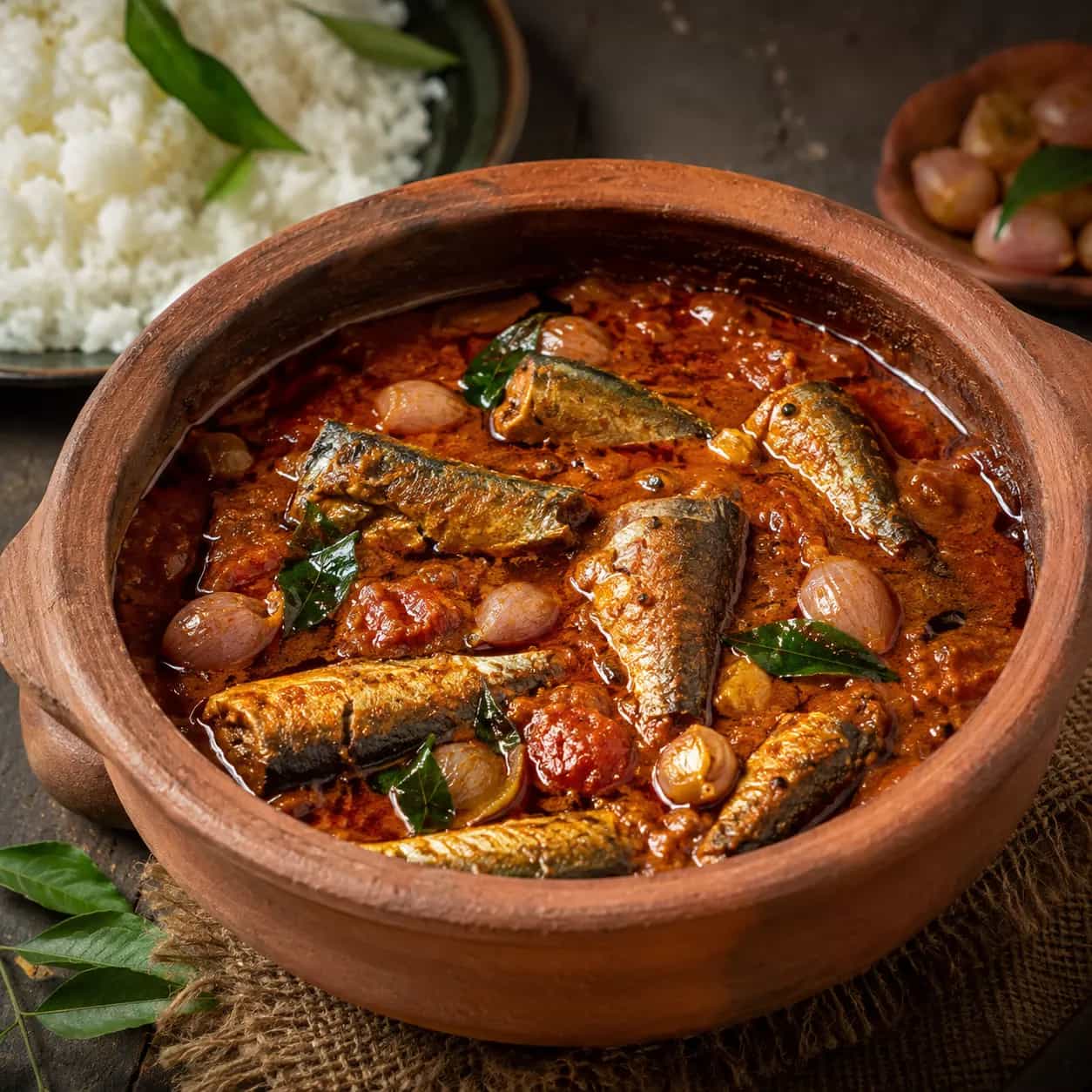
Soodai Karuvadu Kuzhambu
A tangy tamarind gravy that mellows soodai's bold, intense flavor.
View Recipe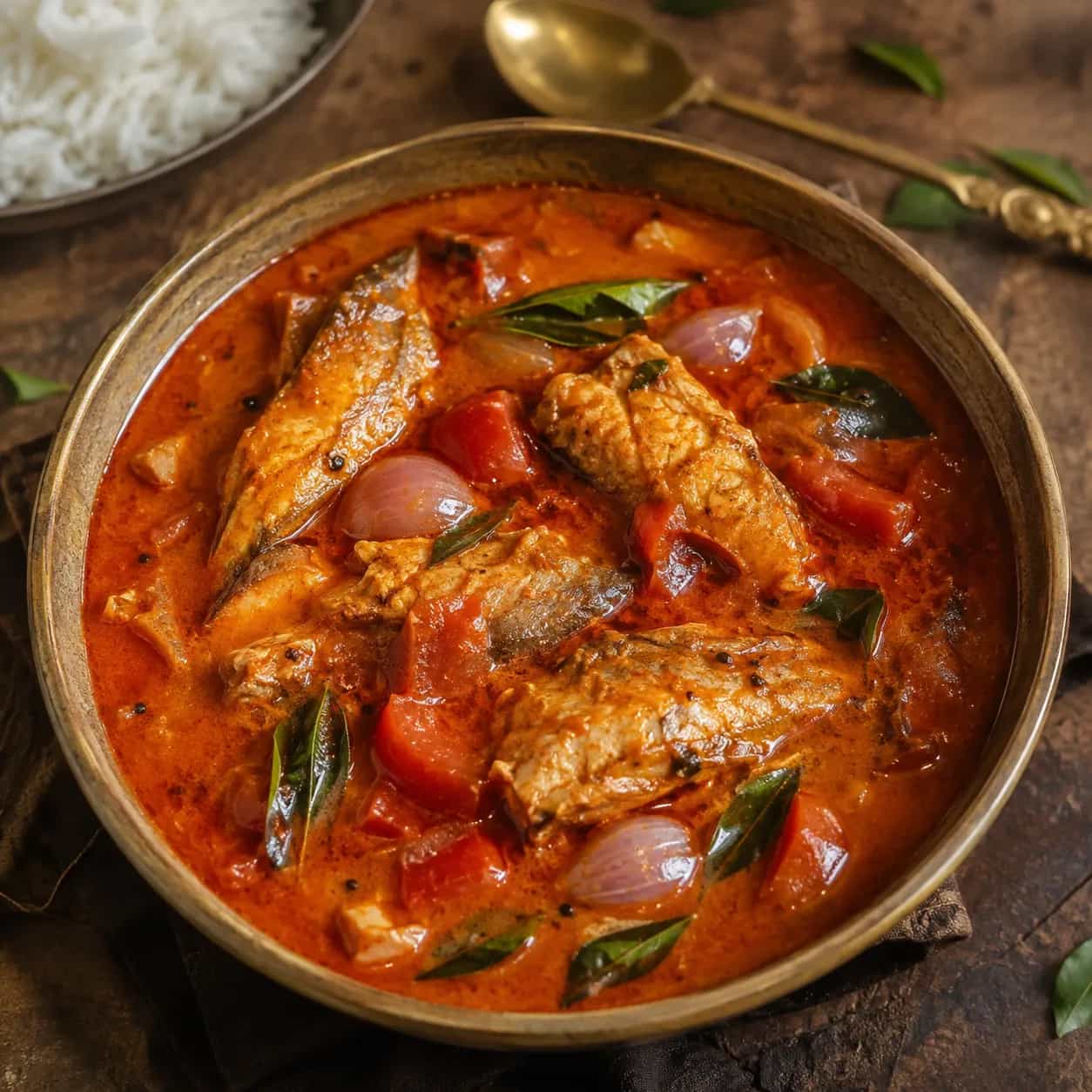
Panna Karuvadu Kuzhambu
A tangy tamarind gravy where Panna's mild, soft flesh fully absorbs the sauce.
View Recipe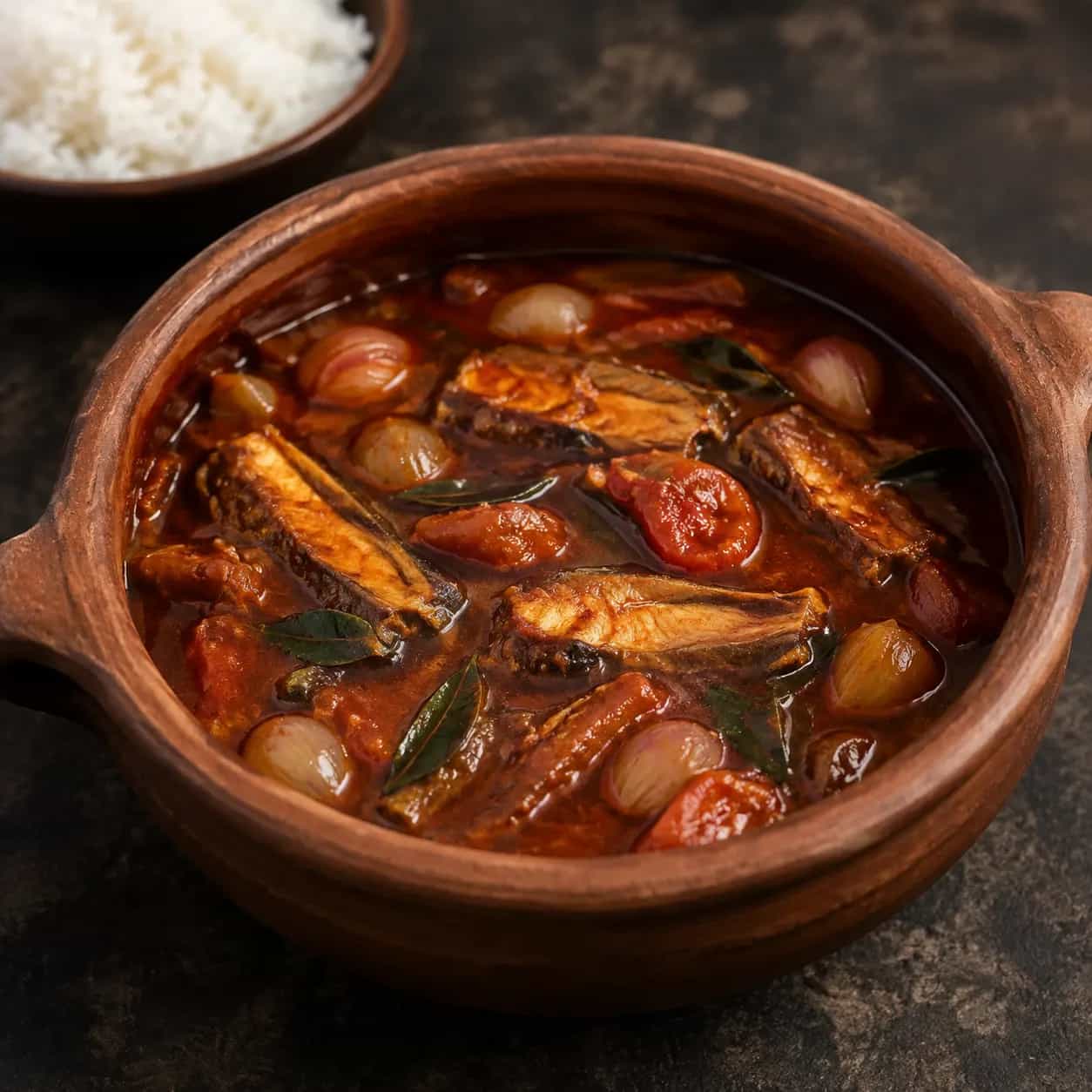
Paarai Karuvadu Kuzhambu
A rich tamarind gravy where Paarai's firm, oily pieces hold their shape.
View Recipe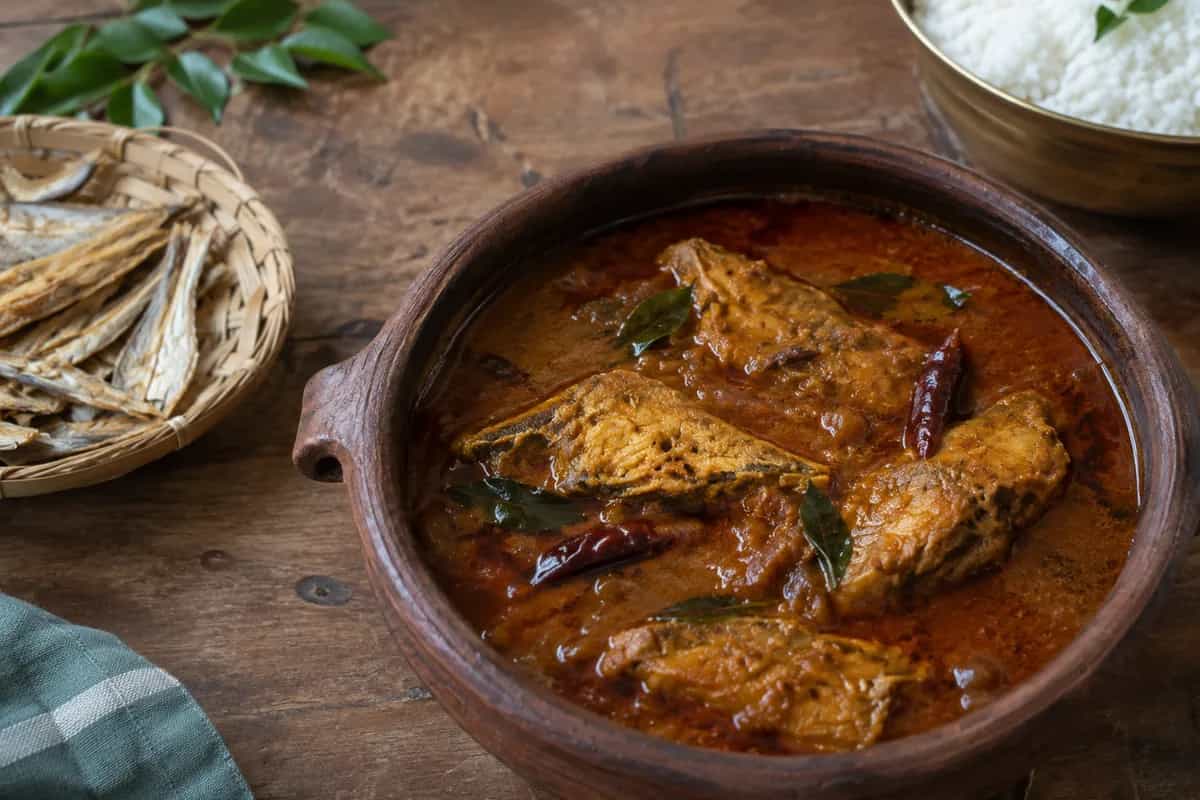
Vilai Meen Karuvadu Kuzhambu
A sesame-oil tamarind kuzhambu with drumstick and brinjal, where Vilai Meen's natural sweetness balances the sour gravy.
View Recipe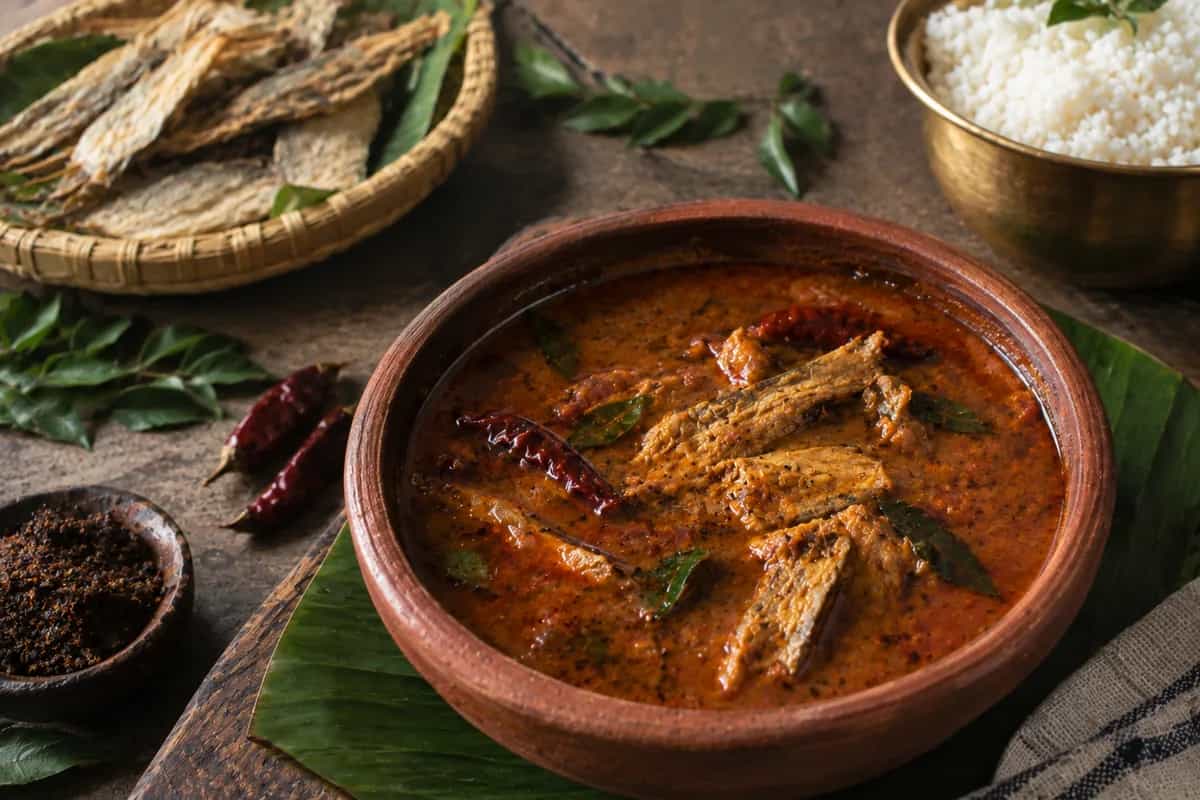
Thirukai Karuvadu Kuzhambu (Sesame-Oil Style)
Dried stingray simmered in a garlic-heavy tamarind gravy finished with sesame oil and crushed pepper.
View Recipe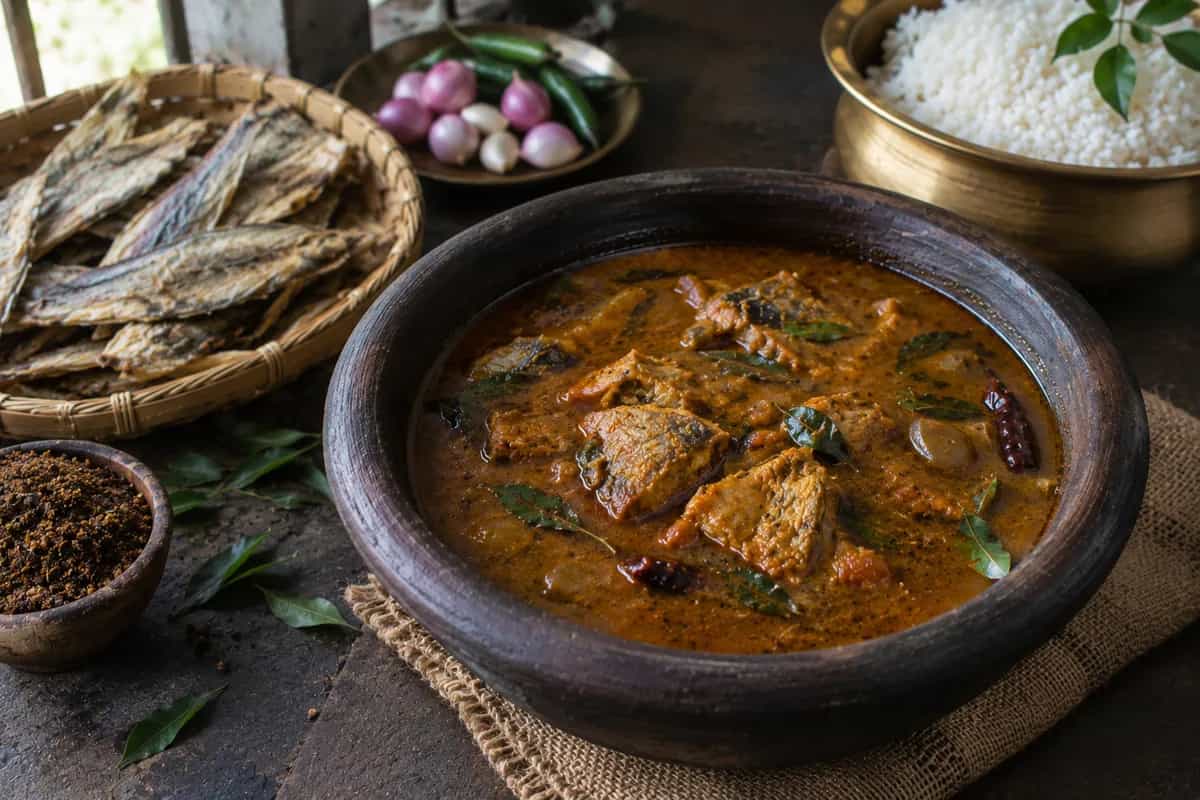
Kuthippu Karuvadu Kuzhambu with Raw Mango
A tangy kuzhambu where raw mango shares the sourness with tamarind, around Kuthippu's clean, savoury flavour.
View RecipeKaruvadu Thokku
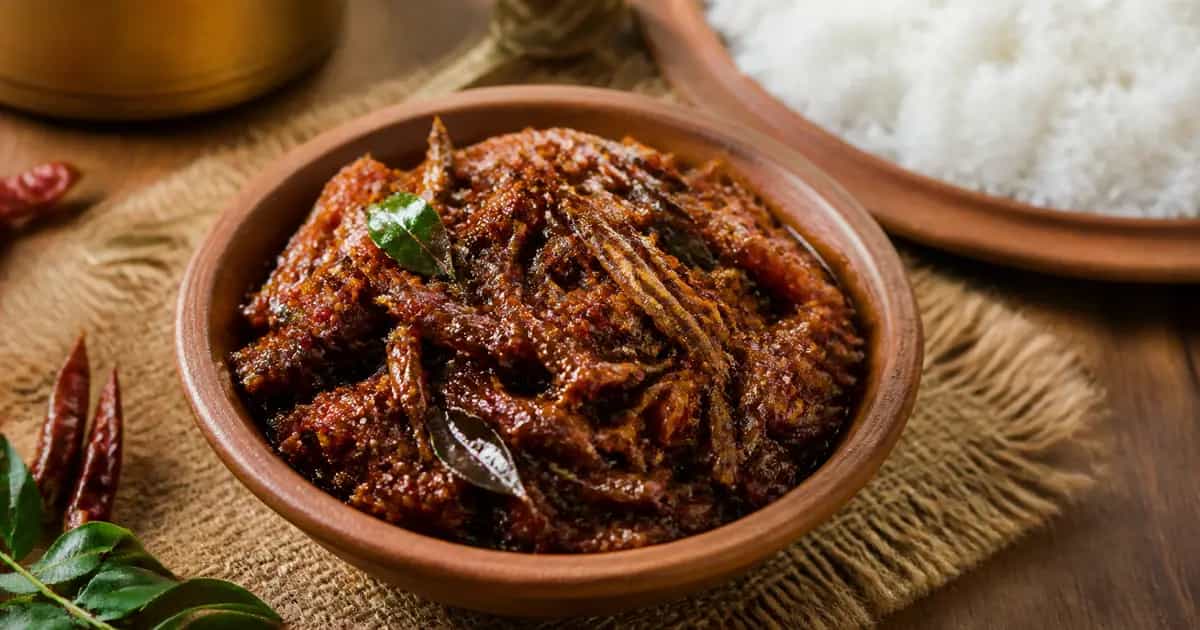
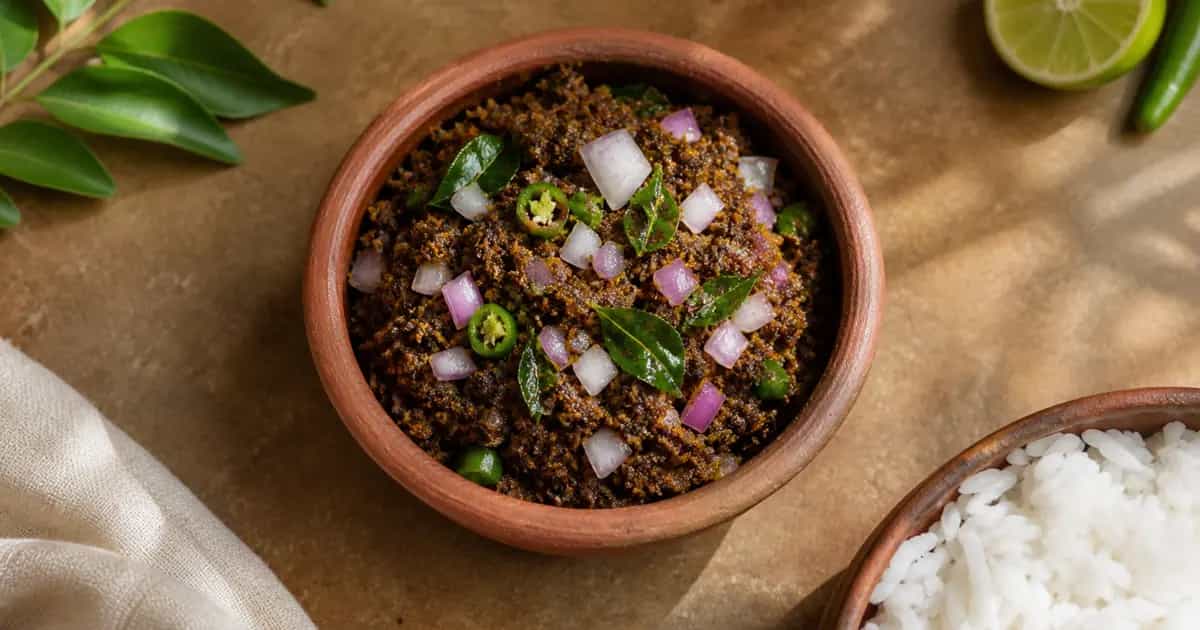
Nethili Karuvadu Thokku
Nethili cooked down into a thick, spiced side that keeps well and gets better with a day's rest.
View Recipe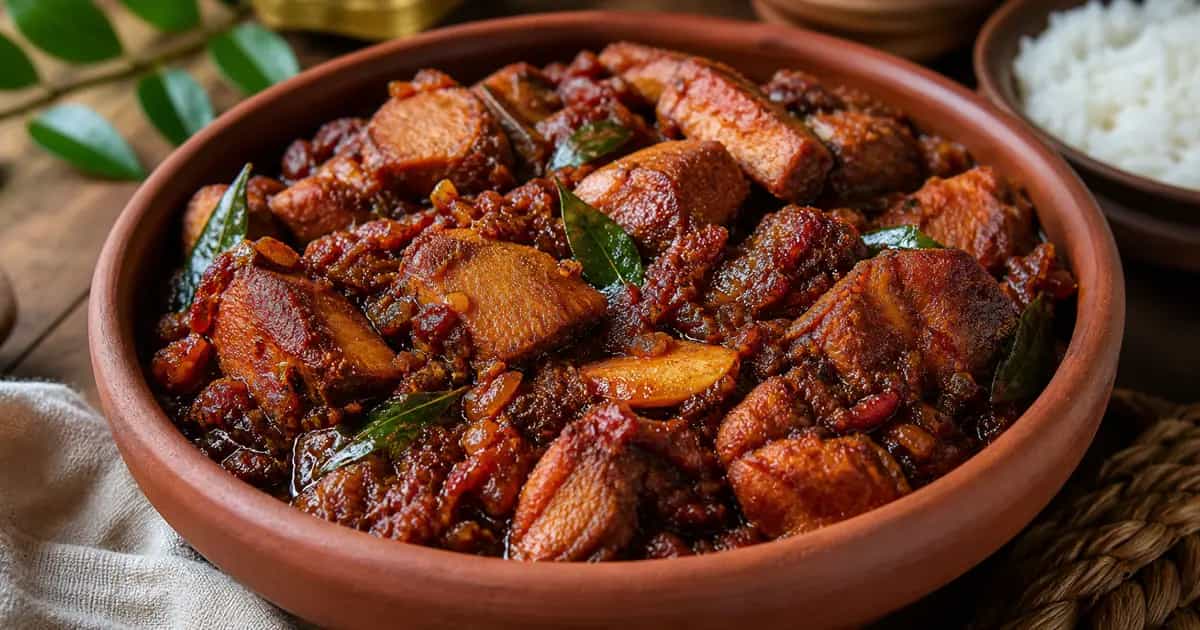
Vanjaram Karuvadu Thokku
Our richest variety, slow-cooked into a bold, tamarind-forward thokku.
View Recipe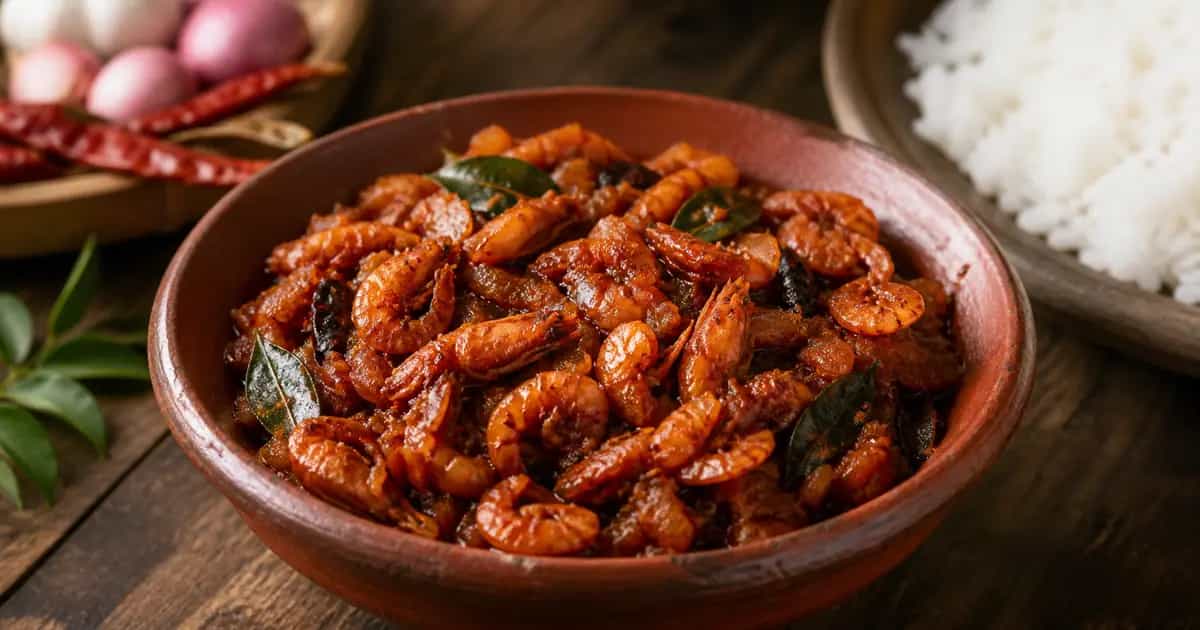
Era Karuvadu Thokku (Dried Prawn Thokku)
Dried prawns cooked down into a punchy, savory side dish.
View Recipe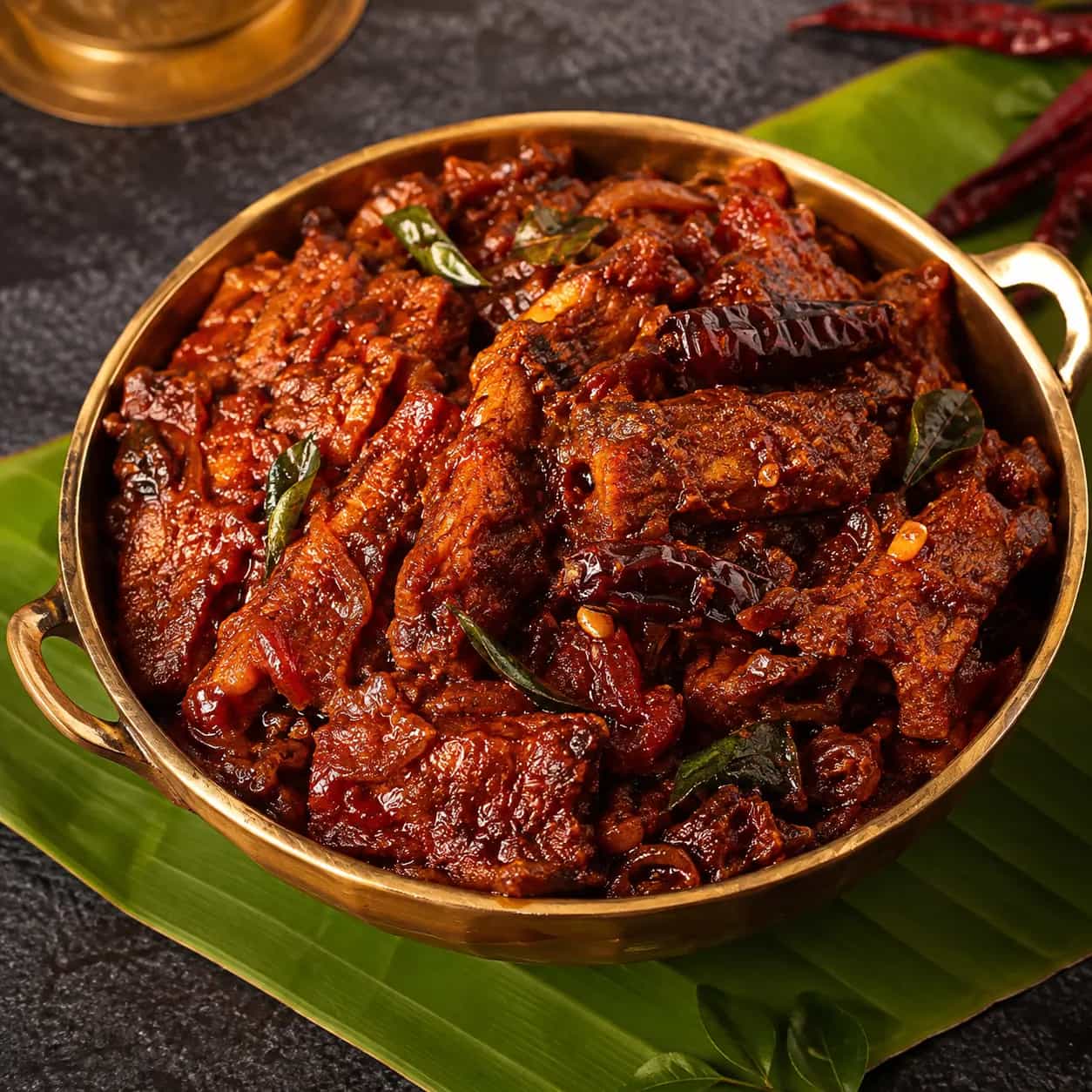
Panna Karuvadu Thokku
Panna's mild, gravy-absorbing flesh cooked into a thick, concentrated masala.
View Recipe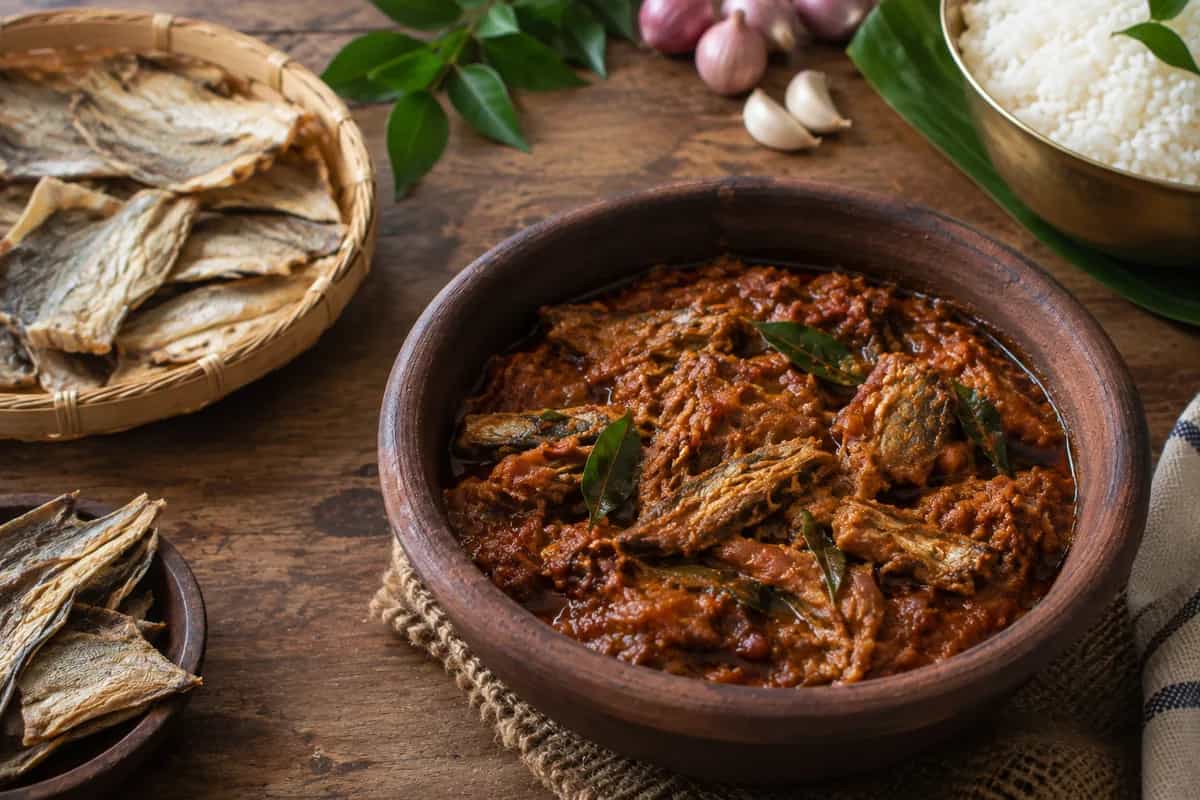
Paal Sura Karuvadu Thokku
Shredded dried milk shark cooked down with plenty of onion, garlic and pepper, in the style of sura puttu.
View Recipe