Types of Karuvadu: Complete Guide to Dry Fish Varieties
Compare Nethili, Maasi, Panna, Paarai, Vanjaram and other karuvadu varieties to choose the right dry fish for your recipe.
7 min read
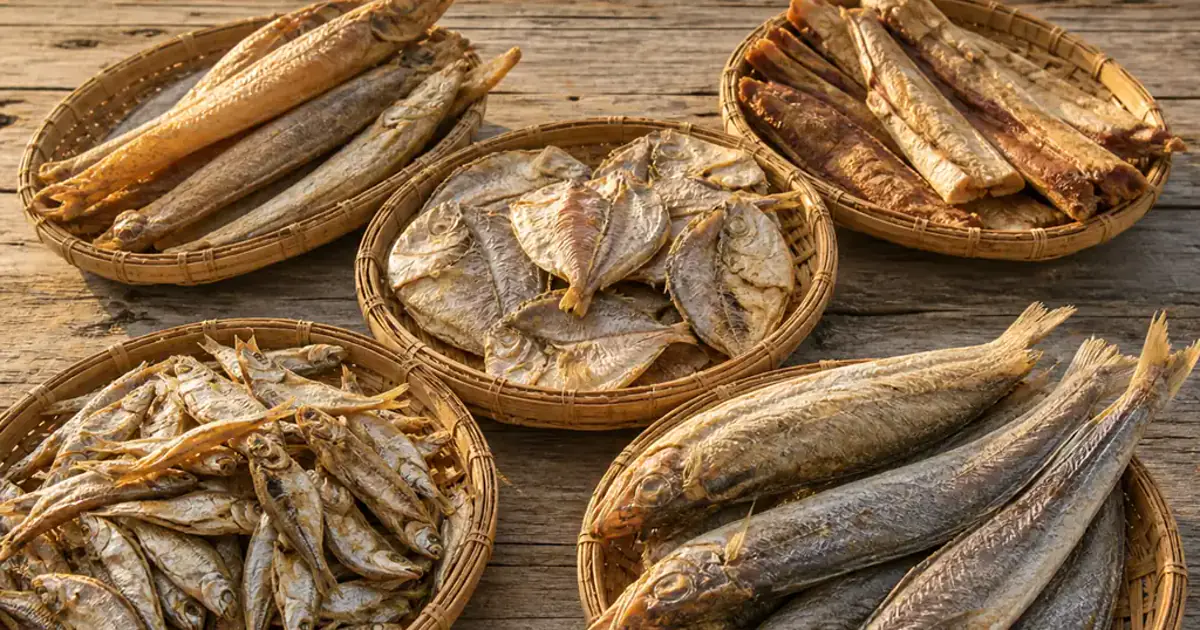
What Is Karuvadu?
Karuvadu is the Tamil name commonly used for fish and other seafood preserved by salting and drying. Across Tamil Nadu, it is part of a coastal food tradition built around fresh seafood, sea salt, sunlight, and generations of cooking knowledge.
Traditionally, freshly caught seafood is cleaned, salted, and dried in the sun. Removing moisture helps preserve it while concentrating its natural savoury flavour and changing its texture. A small quantity can bring enormous character to rice, kuzhambu, rasam, or vegetables.
Why Rameshwaram Karuvadu Is Special
Rameshwaram has a deep connection with fishing and seafood preservation. The character of karuvadu depends on the species, freshness of the catch, cleaning, the amount of salt, drying conditions, drying time, and how the finished fish is stored.
At Thenkadal, our focus is on traditional Rameshwaram-style karuvadu: seafood sourced from the coast, carefully cleaned, salt-cured, naturally sun-dried, and packed for the modern kitchen.
Types of Karuvadu
Karuvadu is not one kind of dry fish. Different varieties have their own flavour, texture, size, and best cooking method. Nethili (dried anchovy) is small, flavourful, and excellent for fry, kuzhambu, and thokku; it is one of the easiest varieties for beginners.
Soodai (dried sardine) has a stronger coastal character and works beautifully in fry or kuzhambu. Kola (dried flying fish) has a firm texture that holds together well, making it well suited to strongly spiced kuzhambu, fry, and thokku.
Paarai (trevally or jack fish) is firm and meaty, so it holds its shape well in kuzhambu and fry. Vanjaram, also called Nei Meen, is a premium choice with thick pieces that shine in richer thokku, kuzhambu, and fry preparations.
Vaalai (ribbon fish) is versatile for gravy dishes, fry, and thokku. Thirukai (stingray) has firm flesh and a distinctive cartilage-based texture. Kanava (dried squid) is chewy and firm, while Era Karuvadu (dried prawns) brings concentrated seafood flavour to fry, thokku, and side dishes.
Maasi Karuvadu, made from skipjack tuna, is dense and meaty. It is especially useful in sambal, poriyal, and as a concentrated flavouring ingredient. The collection also includes varieties such as Nagarai, Panna, Vilai Meen, Sankara, Vengana, Seela, Paal Sura, Thondan, Kathalai, and Karal.
Which Karuvadu Should You Buy?
Start with the dish you want to cook. Choose Nethili for a crispy small-fish fry, Soodai for a strong sardine flavour, Kola for a firm-textured everyday curry, and Paarai when you prefer a substantial, meaty piece of fish.
Choose Vanjaram for a premium meal, Maasi for a rich traditional preparation, Vaalai for ribbon-fish-style dishes, Kanava when you want something different, and Era when you need an intensely savoury seafood flavour. If you are buying karuvadu for the first time, Nethili is a versatile, quick-cooking place to begin.
How Is Karuvadu Made?
Traditional karuvadu begins with seafood suitable for drying. It is properly cleaned, salted to preserve it and develop its characteristic flavour, then sun-dried until it reaches the desired moisture level and texture.
Once dried, it must be protected from moisture and contamination. This final packing stage matters: moisture is one of the biggest enemies of properly stored dry fish.
What Makes Good-Quality Karuvadu?
Look beyond price. Good dry fish should look properly dried rather than wet or damp, have a natural appearance, and feel appropriately firm for its variety. Be cautious of products that look unnaturally bright or heavily processed.
Karuvadu naturally has a strong seafood aroma; that alone does not mean it is spoiled. A rotten or unusually unpleasant odour is a warning sign. Good packaging is also essential because it protects the product from humidity in transport and storage.
How to Clean and Reduce the Salt in Karuvadu
Remove unwanted heads, fins, scales, large bones, or other portions where needed. Rinse thoroughly to remove surface salt and loose particles, then drain well before frying or adding the fish to a curry.
Some thicker or tougher varieties benefit from a short soak, while small fish may only need a thorough wash. Do not soak every type for a long time: the right duration depends on the variety and the dish.
To manage salt, wash the fish well, soak briefly when appropriate, drain the water, and taste a small cooked piece before adding salt to the recipe. This is especially important for kuzhambu and thokku, where the gravy can become too salty quickly.
How to Cook Karuvadu
For a simple karuvadu fry, clean the fish, toss or coat it with spices, and fry it to the texture you enjoy. Small varieties such as Nethili can become crisp and make an excellent side dish.
Karuvadu kuzhambu is a classic Tamil preparation: the dried fish is simmered with onion, tomato, tamarind, garlic, chilli, turmeric, spices, and sesame oil. The fish adds deep seafood flavour to the tangy gravy, which is best served with hot rice.
For thokku, cook the fish down with onion, tomato, spices, and oil until it becomes a thick, concentrated side dish. Meatier Vanjaram and small dried prawns are both excellent choices.
Traditional Karuvadu Recipes to Try
Try Nethili as fry, kuzhambu, or thokku; Vanjaram as thokku or kuzhambu; Era as dried-prawn thokku; Maasi as sambal or a flavourful side dish; Kanava as dried squid curry; and Karal in rasam.
Each variety responds differently to soaking, frying, and simmering, so choose a recipe that suits its texture rather than treating all dry fish the same way.
How to Store Karuvadu
Before opening, keep the package in a cool, dry place away from direct sunlight, moisture, and strongly scented foods. After opening, transfer the remainder to a clean airtight container or sealed food-safe pack.
Refrigeration is useful for longer storage, especially in warm or humid conditions. Always follow the storage guidance supplied with the product. The golden rule is simple: keep moisture out.
Karuvadu Nutrition: What Should You Know?
Fish is naturally a source of protein and other nutrients, but the nutritional profile of karuvadu varies by species and preparation. Since drying removes water, protein becomes more concentrated by weight. Small fish eaten with soft bones can contribute calcium, while oily fish can provide omega-3 fats.
Karuvadu is salt-cured, so sodium can be significant. Enjoy it as part of a balanced diet rather than assuming every variety has the same nutritional profile. Anyone who needs to restrict sodium should discuss suitable portions with a doctor or dietitian.
Karuvadu vs Fresh Fish
Fresh fish has high moisture, a milder natural flavour, and a shorter storage life. Karuvadu has low moisture, a concentrated flavour, and can be stored longer when properly dried and kept well. It is often used in smaller portions because its flavour is so intense.
Karuvadu is not simply fresh fish that has gone dry. The preservation process creates a distinct ingredient with its own texture, aroma, and culinary uses.
How to Buy Karuvadu Online
When buying dry fish online, consider where the seafood comes from, how it is cleaned, salted, dried, and packaged, and whether the seller explains the different varieties clearly. Cooking guidance makes choosing much easier, particularly for first-time customers.
Thenkadal brings together everyday, premium, small-fish, and speciality Rameshwaram varieties. Our approach is rooted in local-fishermen sourcing, traditional sun-drying, sea-salt curing, careful cleaning, hygienic handling, and airtight packaging.
Frequently Asked Questions About Karuvadu
Which karuvadu is best for beginners? Nethili is a versatile option for fry, kuzhambu, and thokku. Which is best for frying? Nethili and Soodai are popular small-fish choices. Which is best for kuzhambu? Kola, Nethili, Paarai, Vaalai, and many others work well depending on the texture and flavour you prefer.
Do I need to soak karuvadu? Not always: small fish may only need a good wash, while thicker seafood can benefit from soaking. Why does it smell strong? Drying concentrates seafood's natural aroma and flavour. Is all karuvadu the same? No—species vary greatly in size, texture, flavour, and cooking method.
How to Cook Karuvadu
Choose a method by variety, then follow a tested recipe for fry, kuzhambu, thokku, curry, or rasam.
Open the Karuvadu cooking hub →Practical Karuvadu guides
Explore individual Karuvadu variety guides
Use the hub for a quick comparison, then open a dedicated guide for taste, cooking, storage, recipes, and the matching Thenkadal product.