Karuvadu Cooking Troubleshooting: Salt, Texture, Gravy and Aroma
Solve common karuvadu cooking problems: salty gravy, soft fry, burnt spices, broken fish, sour kuzhambu, and unevenly reheated leftovers.
14 min read
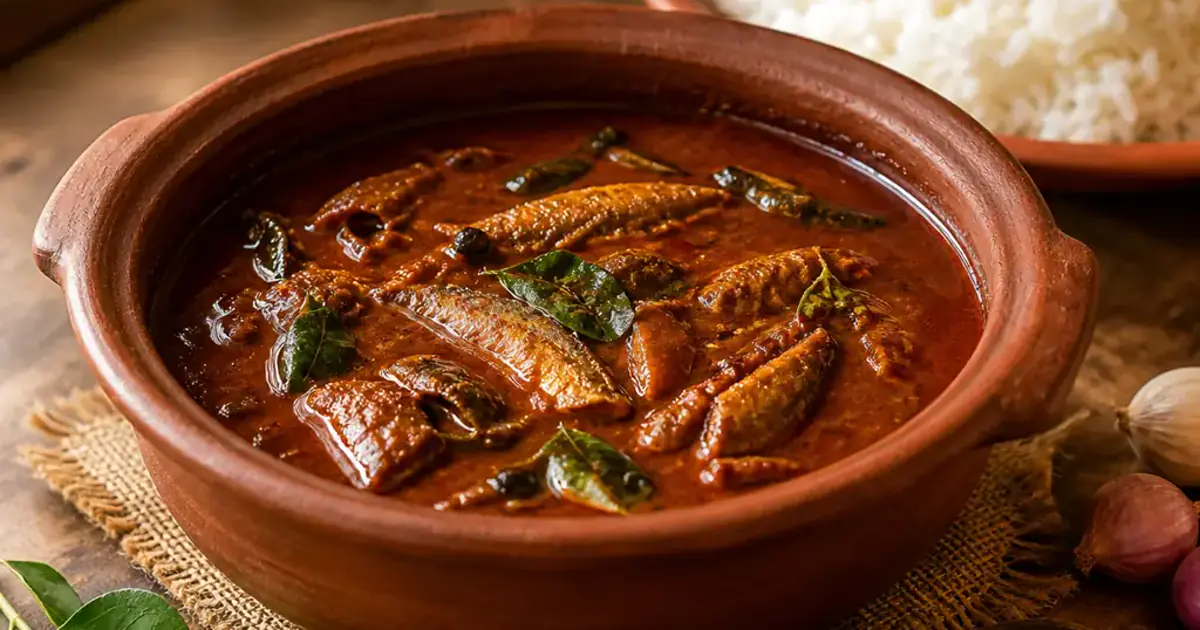
Diagnose the stage that caused the problem
When a karuvadu dish disappoints, it is tempting to change every part of the recipe on the next attempt. A more useful approach is to identify the stage that most likely caused the problem. Excess salt relates to the product, preparation, and seasoning. A soft fry relates to moisture, pan space, and cooking method. Broken fish in kuzhambu can relate to soaking and agitation. Bitter flavour may come from burnt aromatics or spices. Begin with what you observed, then make one deliberate change. This gives you a clearer result than replacing the variety, pan, spices, and cooking time all at once.
Troubleshooting applies to a sound ingredient that did not cook as intended. It does not apply to mould, insect activity, damaged packaging, or suspected spoilage. Those concerns need product assessment and appropriate action before cooking. Strong spices, tamarind, rinsing, and prolonged heat cannot reliably rescue unsuitable fish. Keep that distinction clear throughout this guide. A recipe adjustment can help your next meal taste and feel better; it cannot verify a doubtful packet. Once you have a suitable product, use the sections below to connect the symptom with a likely cause and a practical change for the next batch.
The finished dish is too salty
Dry fish may already contain enough salt to season a dish, so adding the usual amount at the beginning can create an excessive result. The base may taste underseasoned before the fish enters, then become much saltier as it cooks. Start without additional salt unless the recipe and product information indicate otherwise, and assess the completed dish with a clean spoon after the fish is cooked. Check any other concentrated ingredients too. A salty spice blend or heavily seasoned accompaniment can make the overall meal feel stronger even when the fish dish itself has not changed.
For an already cooked salty gravy, expanding the unsalted base can reduce concentration, but it also changes the quantity and balance. Use an appropriate amount of additional unsalted ingredients and bring them to proper cooking, rather than pouring in water until the sauce loses all structure. For a salty fry, serve a smaller amount with mild accompaniments and adjust the next batch's preparation. Sugar, lemon, or extra chilli may alter perception but does not remove sodium. A potato does not selectively extract all the salt. Where sodium intake needs precise control, use reliable label information and professional advice rather than assuming a soaking step has produced a particular reduction.
The fish still has unwanted grit
Grit is different from the natural texture of bones, skin, or a firm dried piece. Before cooking, inspect the portion and follow the supplier's cleaning directions. Use clean water and an appropriate bowl or strainer, and keep the unused packet away from the sink. If loose matter is visible, address it during preparation rather than expecting the gravy to dissolve it. Transfer the cleaned fish carefully so settled debris does not return with the final handful of water. A little attention at this stage is easier than discovering an unpleasant texture once the entire dish has been served.
If a supplied product appears unusually contaminated or inconsistent with its description, contact the seller with photographs and identifying information. Do not assume every issue can be solved by washing harder. Aggressive repeated handling can break delicate fish without resolving a product-quality concern. Likewise, a long soak is not a universal cleaning method for every variety. Follow the received product's instructions, and choose a manageable portion for your first attempt. If grit remains in a sound product despite the expected preparation, note the method and ask the supplier for clarification. Clear information about the particular packet is more useful than applying the same advice to every dry fish variety.
A fry is soft instead of crisp
A soft fry often reflects excess surface water or too much fish in the pan. Rinsed fish needs to drain well, and any additional wet coating changes the moisture load. When several layers are piled together, the pan spends time releasing trapped moisture rather than browning the surface evenly. Before the next attempt, check the draining step, use a lighter coating, and divide the fish into batches that fit in a shallow layer. These changes address the process directly. Turning the heat much higher can darken spices while the crowded centre remains soft, producing a burnt coating without the desired texture.
Onion and other ingredients can also release moisture, so follow the recipe's order rather than adding everything together. Give the fish time in contact with the pan before turning it gently. Do not cover a finished crisp fry tightly for a long wait if texture is the priority, but still handle it safely and serve promptly. Leftover fry may naturally lose crispness after refrigeration; that is different from a fresh batch that never browned well. Plan the cooking near mealtime and use the linked fry guide for the relevant variety. The intended result comes from controlling moisture, space, and heat together, rather than treating crispness as a single stove setting.
Spices burn before the fish is ready
Thin spice coatings can darken quickly in a hot pan. If the outside becomes bitter or blackened before the fish is cooked, lower the heat and reassess the method. A heavy pan may remain very hot even after the burner is reduced, so leave room to adjust and work with manageable batches. Use the recipe's spice proportions rather than coating the fish in a thick layer of powder. Loose spices left in the oil may burn between batches, which can affect later portions even when you turn down the heat. Check the pan's condition as you continue.
For a gravy or thokku base, add powders in the specified sequence and keep enough moisture present to incorporate them without scorching. Do not leave dry spices sitting on the pan bottom while you fetch water or chop another ingredient. Prepare everything before the heat is on. Once a dish has a strong burnt flavour, masking it with more tomato or chilli rarely restores the intended result. Preventing the problem is more effective than trying to repair it. On the next cook, change the heat and timing first, record the result, and avoid simultaneously increasing the oil and changing the entire spice blend unless there is a separate reason.
Fish breaks apart in the gravy
Small fish can become fragile after washing or soaking, and a vigorous boil can break pieces further. Repeated stirring with a narrow spoon also applies pressure directly to the fish. Build the kuzhambu base first, add the prepared fish at the recipe's indicated stage, and simmer gently. Stir only as needed to distribute the sauce and prevent sticking. The fish should not have to withstand the entire period required for onions, tomatoes, and tamarind to develop. A clear sequence protects its structure while still allowing the dish to cook fully.
Check whether the preparation was appropriate for the variety. A soak that works for a thicker cut may be excessive for tiny whole fish, and a recipe for one type may not support the same timing for another. Use the matching recipe where available and begin with a smaller test meal if the packet is unfamiliar. Some fragmentation can happen in normal cooking, but the aim is to avoid needless damage. If the fish was already unusually soft or changed before preparation, consider the product and storage history instead of assuming the solution is simply gentler stirring. Good technique begins with a sound ingredient whose condition you understand.
Larger pieces are tough or unevenly cooked
Thick pieces need a cooking method that allows their centres to finish without burning the outside. If a large cut is placed into a nearly dry, very hot masala, its surface may darken while the interior remains difficult to judge. Choose a recipe intended for the variety and piece size, and use any specified moisture or covered stage. Avoid substituting a large cut into the timing of a small-fish fry. Inspect portions as directed, and do not assume minimal visible bones means the piece requires no preparation. The cut and product instructions should guide the starting method.
Dryness and toughness are not always solved by cooking longer at high heat. Excessive cooking can make some pieces less pleasant, while insufficient preparation may need a different approach on the next batch. Record what you used and how the fish behaved. FDA's usual cooking temperature guidance for fish is about sixty-three degrees Celsius; a suitable thermometer can help when a piece is large enough for a meaningful reading. Thick masala colour is not an internal-temperature check. If the recipe's cut differs substantially from your packet, ask for advice or choose a more appropriate recipe rather than extending the cooking indefinitely and hoping the texture will correct itself.
Kuzhambu is too sour or too watery
Tamarind strength depends on the amount of pulp, the extraction water, and the tamarind itself. Tomato contributes acidity too. Start with the measured recipe and avoid adding an entire bowl of strong extract simply because it is available. If the finished gravy is very sour, you may need to expand the other cooked ingredients to restore balance, which creates a larger batch. Sugar may soften the perception of acidity but changes the flavour and is not always appropriate. For the next cook, control the initial tamarind amount and note how concentrated your extract was.
A watery gravy may have too much added water or insufficient base reduction. Before adding fish, let the aromatics and tomato reach the intended stage. After adding fish, use gentle cooking rather than a violent boil to force evaporation. If the fish is already done and the sauce needs substantial reduction, excessive continued cooking can harm its texture. Prevention is easier: measure liquid, choose a suitable pan, and check the recipe's consistency cues. Do not add extra chilli powder merely to make a gravy look thicker. It changes heat more than structure and can leave the original moisture problem unresolved.
Thokku is loose, sticky, or scorched
Thokku relies on a concentrated base, so watery tomatoes or excessive added liquid can delay its final texture. Develop the onion and tomato mixture before adding fish, and reduce steadily. A wide enough pan supports evaporation, while an overcrowded deep pot can keep the mixture loose for longer. If it sticks early, the heat may be too high or the base may need a small amount of water while cooking continues. Add cautiously and reduce again. The goal is controlled cooking, not alternating between scorching the bottom and flooding the pan with water each time it catches.
Once the fish is included, stir gently and watch the thickening edges. Small pieces can break if you scrape aggressively through the mixture. Stop when the thokku is thick and moist enough to spoon, rather than pursuing an absolutely dry finish. A visible oil sheen is not a guarantee of readiness, nor is it evidence that the cooked dish can stay unrefrigerated. If the base is badly burnt, additional ingredients are unlikely to restore the intended flavour. Use the next attempt to improve the base stage and heat control. The linked thokku guide explains how those decisions work across the site's different measured recipes.
The kitchen aroma feels stronger than expected
Dry fish has a pronounced aroma that can become noticeable during preparation and cooking. Plan ventilation before you start, using the kitchen's extractor or an appropriate open window where available. Keep the uncooked packet closed after removing the portion, dispose of preparation waste appropriately, and wash bowls and tools after use. A small first batch lets you learn how the variety behaves in your kitchen. Do not leave soaking water, scraps, and an open packet sitting around while focusing only on the frying pan; those separate sources can extend the aroma well beyond the cooking session.
A familiar strong dry fish aroma and an unexpected spoiled smell are different concerns, but smell alone cannot establish safety. If the product has mould, insects, a compromised pack, or other reasons for doubt, do not try to fix it by adding lemon, turmeric, or more garlic. Aromatics can shape a sound dish's flavour; they cannot verify the ingredient. For normal cooking, choose a method you enjoy and prepare a reasonable amount. For product uncertainty, retain the label and contact the supplier. Keeping those responses separate helps you manage the kitchen comfortably without turning every strong smell into a panic or every concerning smell into a seasoning problem.
The meal feels too heavy or too intense
A concentrated fish preparation may be pleasant in a small portion but overwhelming when it dominates the plate. Before changing the recipe, look at the serving size and accompaniments. Plain rice, a mild vegetable dish, and a suitable light component can create contrast. If the fish dish is strongly seasoned, additional salty condiments may not improve the meal. Serve a modest amount first and allow more according to preference. For thokku especially, a spoonable concentrated accompaniment does not need to become a large mound simply because the family is used to generous portions of a milder gravy.
Oil can also change the eating experience. Follow the recipe's baseline rather than adding more each time the mixture seems difficult to stir. Sticking may reflect heat, pan choice, or insufficiently developed moisture, not only a shortage of oil. A plate that feels too intense may need a different balance of components rather than a completely different fish variety. Consider the whole meal and the wider week's menu. Dry fish can be one flavourful option among several, with other foods on other days. The practical goal is enjoyment and variety, not making the strongest possible preparation or assuming a traditional dish must be served in the same quantity to every diner.
Leftovers lose texture or reheat unevenly
Refrigerated fry may soften, and a thick thokku may need care during reheating so the centre becomes hot without the bottom burning. Those texture changes are normal reasons to plan the amount you cook, but they do not justify leaving food unrefrigerated. Divide unused cooked fish into suitable containers and refrigerate promptly. Use clean utensils and keep leftovers separate from the dry packet. FDA advises refrigeration of perishables within two hours, or one hour when temperatures exceed about thirty-two degrees Celsius. Do not assume a cooked meal keeps like the dried ingredient from which it began.
Reheat only the portion you plan to eat and make sure it is thoroughly hot throughout. For gravy, stir to distribute heat; for thokku, a small amount of water can help prevent scorching if appropriate. Avoid repeatedly warming and cooling an entire container over several meals. A normal smell cannot confirm that an uncertain leftover was handled safely. If you do not know its history, remove it from the meal plan. For the next cook, prepare a smaller quantity or choose a dish whose reheated texture suits your routine. Troubleshooting should improve both the fresh meal and the practical way you handle any surplus afterwards.
Build a repeatable cooking note
Write a short note after each attempt while the details are fresh. Include the variety, amount, preparation, pan, seasoning, and the single outcome you want to improve. For example, a note might say that the fry was soft after using a crowded pan, or that the gravy became salty after early seasoning. This gives the next attempt a clear target. Keep the matching recipe as your reference and change one step first. You do not need precise laboratory measurements for every household meal, but a few specific observations are more useful than remembering only that the dish was disappointing.
Also record what worked. If the onion and tamarind balance was right, preserve that part while adjusting the fish handling. If the texture was good but the meal was intense, try a smaller serving with milder accompaniments. Use the guides below to revisit cleaning, salt management, and the relevant cooking style. Over several attempts, a familiar packet and a dependable method become easier to manage. The aim is to understand your kitchen's process, not discover a universal shortcut that claims to fix every variety. Careful preparation, controlled heat, gentle handling, and late seasoning are decisions you can observe and improve each time you cook.