Karuvadu Thokku Guide: A Thick Dry Fish Masala That Works
Build a better karuvadu thokku with guidance on fish choice, onion and tomato reduction, tamarind balance, texture, and safe leftover handling.
13 min read
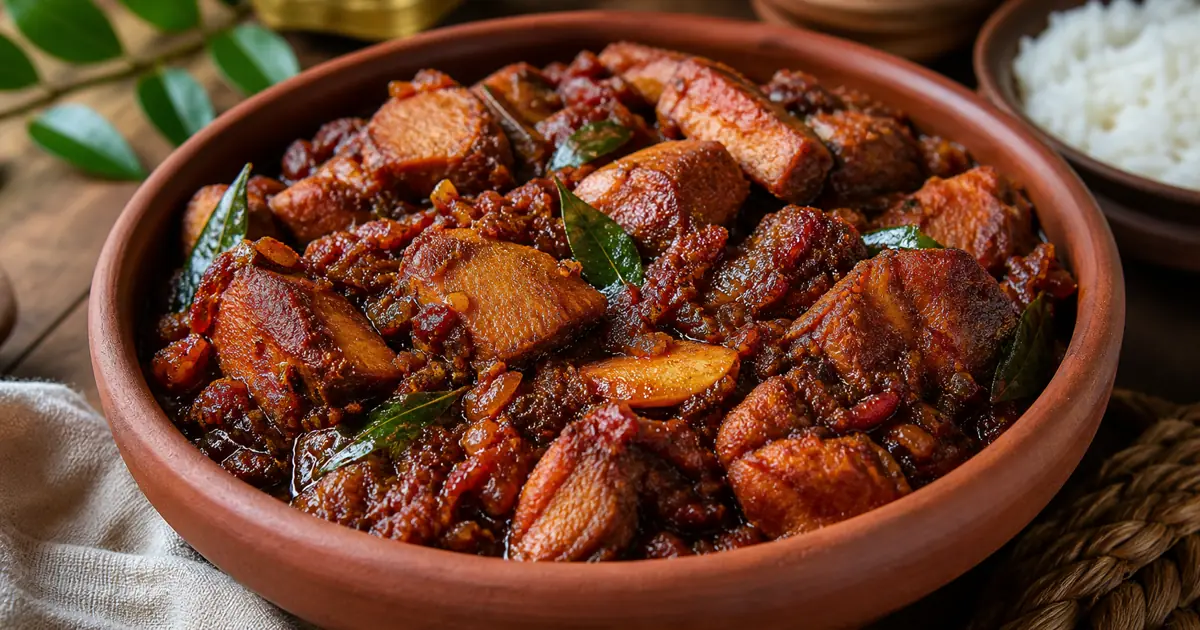
What makes thokku different from a dry fish curry
Karuvadu thokku is a thick preparation in which dry fish sits in a concentrated onion, tomato, spice, and often tamarind base. Unlike kuzhambu, it is not intended to provide a large volume of flowing gravy. Unlike a fry, it keeps the fish coated in a moist masala rather than aiming primarily for crispness. This difference shapes every step of the method. You need to develop the base before adding the fish, manage the moisture as it reduces, and stop when the mixture is thick enough to spoon without turning it into a scorched paste.
A successful thokku is useful as a concentrated accompaniment to rice or another suitable meal component. The fish provides strong flavour, so the serving can be modest, with vegetables and other foods completing the plate. There is no need to judge the dish by how much oil is visible or how fierce the chilli tastes. The useful targets are cooked aromatics, balanced acidity, appropriate seasoning, and fish that retains a pleasant texture. This guide explains the method behind the site's thokku recipes. Use those recipe pages for measured ingredients, and use the explanations here when deciding why a pan needs more reduction or a gentler finish.
Choose a variety and understand its preparation
Nethili, Panna, Era, and Vanjaram appear in different thokku recipes on this site, giving you several starting points. Their pieces and preparation requirements differ, so choose the matching recipe rather than substituting blindly into the same timing. A small whole fish behaves differently from a thick cut, and a prawn preparation is not simply a fish recipe with a changed name. Look at the product description, the amount specified, and the cleaning directions before opening the pack. If a variety is new to you, begin with a smaller meal rather than a large batch intended for several days.
Piece size affects the balance between cooking and reduction. Tiny pieces can disintegrate if stirred through a thick masala for too long. Larger pieces may need more time and sufficient moisture to cook properly. The solution is to build an appropriate base and use the sequence intended for that variety. Do not assume that large pieces are boneless; inspect and serve them with normal care. Ask the supplier about preparation if the packet differs from the recipe's description. Choosing well means the dish begins with a known ingredient, not an uncertain packet that you hope a strong masala will make suitable.
Prepare the fish without soaking away the structure
Sort the portion you need, keeping the remaining dry product away from the wet preparation area. Follow the packet's directions for cleaning and rinsing, and remove visible loose matter before cooking. Soaking may be appropriate for some products, but duration should reflect the fish and the supplier's guidance. It is not a universal instruction to leave every variety in water for an hour. Small pieces may soften too much, while thick pieces can need different handling. Drain the prepared fish and keep it ready in a clean bowl so you can add it at the right stage without interrupting the base.
Do not use raw tasting to assess the salt in the fish or the soaking water. Judge seasoning after the fish has cooked in the dish. Washing changes surface conditions, but it does not certify that a product is safe or provide a measurable sodium reduction. If the packet has visible mould, insect activity, or other reasons for suspected spoilage, stop and address the product issue rather than extending the soak. Thokku should begin with a sound ingredient. Strong tomato, tamarind, garlic, and chilli can change flavour, but they cannot reliably turn unsuitable fish into an acceptable meal.
Organise the ingredients before heating the pan
Thokku becomes much easier when chopping, measuring, and soaking tamarind are finished before the stove is turned on. Set out the recipe's onion, tomato, garlic, curry leaves, spices, oil, and prepared fish. Keep a little clean water available for controlling the base if it begins to stick. Use a pan broad enough to allow evaporation without forcing you to scrape repeatedly through a crowded mixture. A tiny deep saucepan can reduce slowly and encourage scorching underneath; an excessively wide pan may dry the mixture faster than expected. Your pan affects the pace, so use visual and texture cues alongside the recipe.
It also helps to decide where the finished dish will go. Have serving plates and clean leftover containers ready rather than leaving the pot on the stove while you find them later. Start without an extra measured dose of salt unless the recipe and product information clearly call for it. Dry fish can contribute significant seasoning as it cooks. Keep the fish separate while the aromatics soften, and resist the temptation to add every ingredient immediately. Organised preparation supports a steady sequence, where each element does its job before the next one changes the temperature and moisture in the pan.
Let the onions soften before rushing to tomato
Onion provides body as well as flavour in many thokku preparations. Give it time to soften with the recipe's oil and aromatics, stirring enough to avoid sticking. The target is the stage described by the recipe, not maximum darkness. If the edges burn while the centres remain firm, the heat is too aggressive for the pace of cooking. Turning it down and allowing more time is usually more useful than adding several other ingredients to conceal the problem. Burnt onion can contribute bitterness that remains noticeable even after the fish and spices enter the pan.
Keep the onion cut reasonably consistent so pieces soften at a similar rate. Large chunks mixed with fine fragments produce uneven results. Garlic and curry leaves also need attention because they can darken quickly in a hot pan. Follow the specified order and avoid leaving the pan unattended while you finish chopping something else. If your stove runs hot, use a lower setting and adjust as you observe the food. The point of this stage is to create a base that can support the tomatoes and spices, rather than to perform a fixed number of minutes without checking what is happening.
Reduce tomato to a coherent base
Tomatoes bring both moisture and acidity. After adding them, cook until the raw chunks soften into the onion mixture according to the recipe. This takes patience because watery tomatoes may need more reduction than firmer ones. Do not compensate for a wet base by adding the fish early and then cooking everything hard until the liquid disappears. That approach can overwork the fish while the tomatoes are still catching up. Let the base develop first, using a controlled heat and occasional stirring. As moisture reduces, the mixture should become more cohesive and less like onion pieces floating in tomato water.
A coherent base does not mean an absolutely dry pan. You need enough moisture to incorporate spices without burning them and to support the next cooking stage. If the mixture catches on the bottom, lower the heat and add a small amount of water as needed, then continue cooking. Tomato ripeness and quantity change the balance, so note what you used if you want consistent repeat results. Avoid adding a large extra tomato solely because a dish is salty; it also changes acidity and volume. Work from a measured recipe, then make deliberate adjustments that preserve the intended thick texture.
Balance tamarind and chilli without overwhelming the fish
Where the recipe uses tamarind, prepare and strain the extract so grit or unwanted fibres do not enter the pan. Its strength varies with the amount of pulp, the water used, and the particular tamarind. Start with the recipe's proportion rather than pouring in all the concentrated extract you happen to have. Tomato already contributes acidity, so the two need to work together. The fish should still be recognisable within the masala. A thokku dominated by sharp sourness can be difficult to correct without making a much larger batch, which is another reason to add carefully.
Spice powders need enough contact with the base to lose their raw character, but direct prolonged heat can burn them. Follow the recipe's sequence, stir the powders into the moist mixture, and watch for sticking. Chilli heat varies between products; a familiar spoon measure does not guarantee familiar intensity when you open a new brand. Choose a restrained starting point if you are cooking for several preferences. People who want more heat can adjust their serving in an appropriate way, while a whole pan that is too hot is harder to rescue. The best balance lets aromatics, acidity, and fish flavour remain distinct.
Add the fish and finish with gentler handling
When the base reaches the right stage, add the prepared fish and distribute it gently. Ensure larger pieces make contact with the moist mixture rather than sitting dry on top. If the matching recipe calls for added water or a covered stage, follow that guidance. The aim is to cook the fish properly while allowing the sauce to concentrate. Do not treat the first visible sheen of oil as proof that every piece is ready. Piece size and the starting condition matter, and a thick sauce can disguise a centre that has not received the same heat as the outside.
As the mixture thickens, stir with a broad, gentle movement rather than repeatedly chopping through the fish with a sharp spoon edge. Scrape the base of the pan enough to prevent sticking, then leave the pieces time to cook. If small fish begin to fragment, reduce unnecessary stirring and reassess the heat. If large pieces need longer, maintain enough moisture to avoid scorching while they finish. For seafood safety, FDA guidance identifies about sixty-three degrees Celsius as the usual cooking temperature for fish. Use appropriate cooking checks where practical, remembering that colour of the masala alone cannot tell you the temperature inside a piece.
Recognise the finished texture and season at the end
Finished thokku should be thick enough to spoon as an accompaniment while retaining moisture around the fish. It should not run like a bowl of kuzhambu, but it should not crumble into burnt flakes either. Watch how the mixture moves when you draw a spoon through it and how much liquid gathers at the edges. If it is still too loose, continue a controlled reduction. If it is drying too quickly, reduce the heat and add a small amount of water as needed. The pan and the tomatoes determine how fast this transition happens, so check more frequently near the finish.
Once the fish is cooked, assess seasoning with a clean spoon. Add salt only if the complete dish needs it, rather than compensating for how the onion and tomato tasted before the fish arrived. If the flavour seems strong, remember that you will eat thokku alongside other foods. Taste a small amount with its intended accompaniment before making a large adjustment. A concentrated preparation can be intense on its own and balanced in a meal. Keep the final decisions modest: a little additional seasoning is easier to control than another large dose of salt, chilli, or tamarind added at the last moment.
Serve a small portion with a complete meal
Thokku works well when its strong flavour has a neutral base. Plain rice is a straightforward choice, and a simple vegetable dish can provide contrast. If serving with another staple, check that the texture and flavour suit your household rather than assuming every combination is traditional everywhere. Begin with a modest amount and allow diners to add more. This avoids overwhelming the plate and makes it easier to manage a concentrated salty ingredient. Keep heavily salted pickle or additional strong condiments optional when the thokku already provides the main punch of the meal.
Consider who is eating before deciding on the variety. Bones and shell fragments require attention, and a thick masala can make them harder to see. Serve carefully and choose an appropriate alternative for anyone who cannot manage them. Fish and shellfish allergies also require a separate suitable meal rather than an attempt to remove pieces from the sauce. A comfortable serving plan is part of cooking well. You can make a bold, enjoyable preparation without describing it as suitable for every person or relying on its traditional reputation to settle individual dietary needs.
Store cooked thokku as a perishable dish
A thick texture, chilli, tamarind, or a surface layer of oil does not establish that homemade fish thokku is shelf-stable. After adding water, onion, tomato, and prepared fish, you have a cooked meal that needs appropriate handling. Serve promptly, then divide unused food into suitable smaller containers and refrigerate without an extended wait. FDA advises refrigerating perishables within two hours, or within one hour in temperatures above about thirty-two degrees Celsius. Do not leave a pot on the stove overnight because it looks dry or because a different household preparation was kept that way in the past.
Use clean utensils each time you remove a portion, and avoid repeatedly warming the entire container. Label leftovers and reheat the portion you will eat until thoroughly hot throughout. If reheating in a pan, a little water may help distribute heat without scorching the thick base. This restores a serving consistency; it does not rescue a dish that was stored unsafely. Keep the original dry fish packet according to its own label directions, separate from the cooked food. The two products have different handling needs, and a storage instruction for the unopened dry packet should never be copied automatically to the finished thokku.
Troubleshooting and frequently asked questions
Why is the thokku watery? The tomato base may need more reduction, too much water may have been added, or the pan may be too crowded for evaporation. Reduce steadily and avoid increasing heat so much that the bottom burns. Why is the fish broken? Small pieces may have softened during soaking or been stirred too vigorously. Use the matching recipe and handle gently. Why does the dish taste bitter? Burnt aromatics or spice powders can be responsible. A badly scorched flavour is difficult to fix, so prevent it with measured heat and attention during the base stages.
Can you make thokku without tamarind? Follow a recipe designed for that balance or adjust deliberately, recognising that tomatoes differ in acidity. Can you substitute any dry fish? Choose a recipe for the variety when possible; size and cleaning requirements change the method. Is a shiny layer of oil proof of preservation? No, and cooked fish thokku still needs cold storage. Can you make it milder? Reduce chilli at the beginning and serve with gentle accompaniments. Start with one of the measured recipes below, keep notes about the fish and pan, and improve the specific stage that caused difficulty rather than changing the entire dish at once.
Adapt the pan before changing the recipe
If a measured recipe works differently in your kitchen, check the equipment before rewriting the ingredients. A narrow pan holds moisture longer, while a wide pan may reduce the base more quickly. A heavy pan continues supplying heat after the burner is lowered. These differences explain why the same recipe can need a different pace without needing a different identity. Observe the onion softness, tomato texture, and thickness at each stage. Use those cues to adjust heat and timing while keeping the baseline quantities stable for a first attempt.
When cooking a larger batch, do not assume that doubling every ingredient means the same cooking duration. More food changes the pan's temperature and evaporation, and a crowded base may need more time before the fish is added. Consider using a suitably larger pan or making separate batches. Keep the fish's handling gentle in either case, and make sure the food cooks properly before serving. Record the pan size and batch quantity if the outcome is successful. This turns a vague instruction to cook longer into a practical method you can repeat without scorching the base or sacrificing the fish's texture.